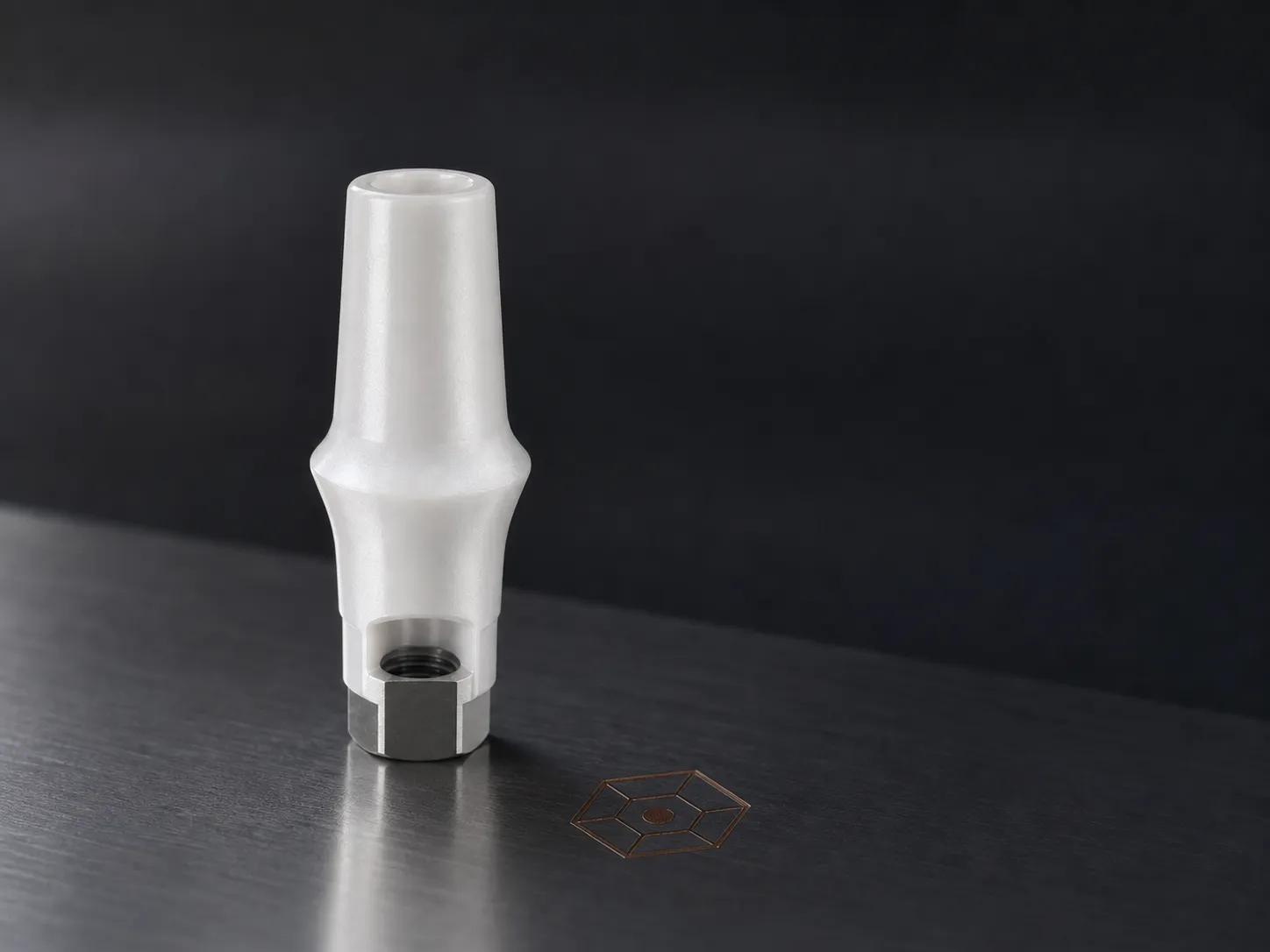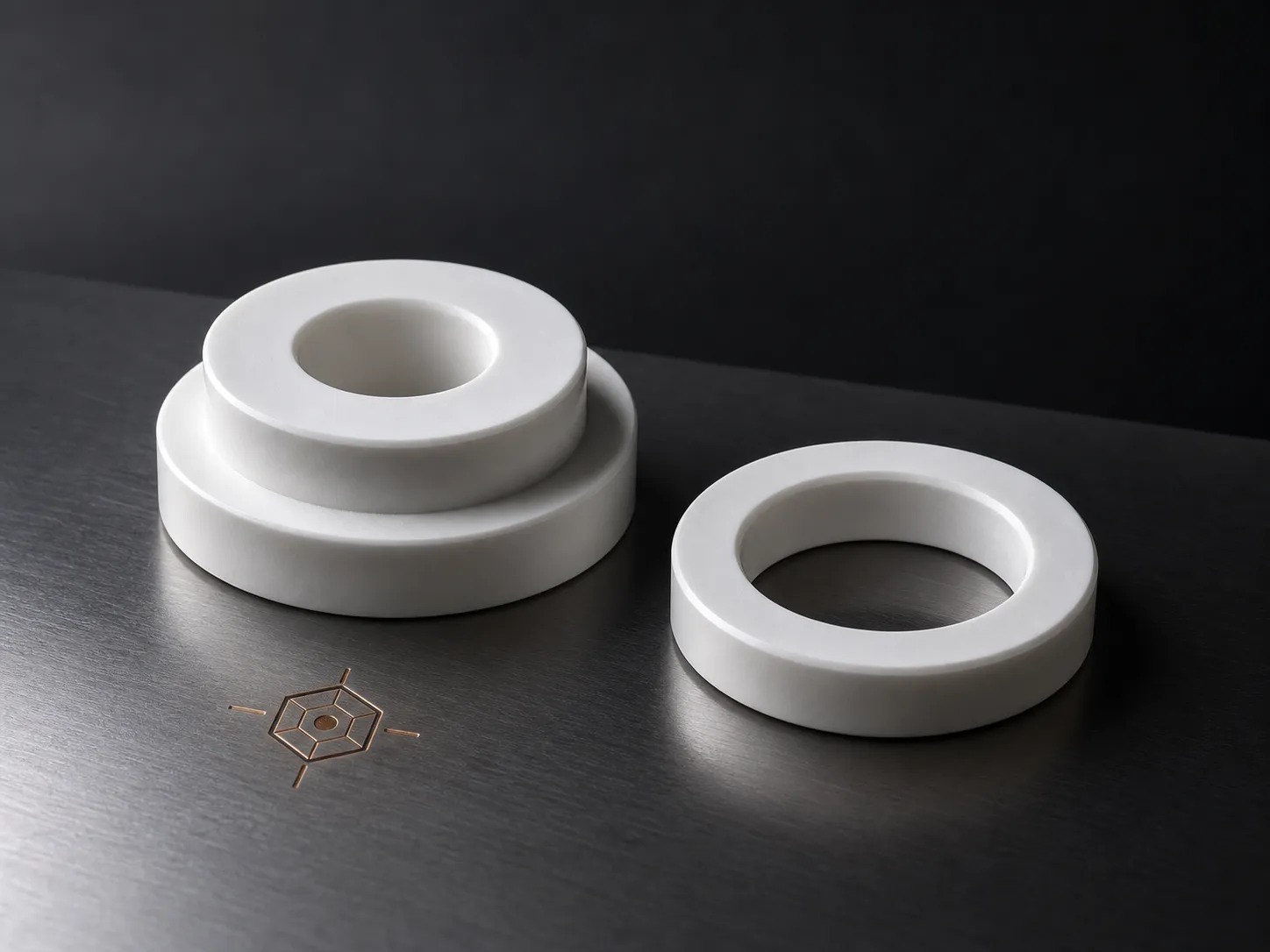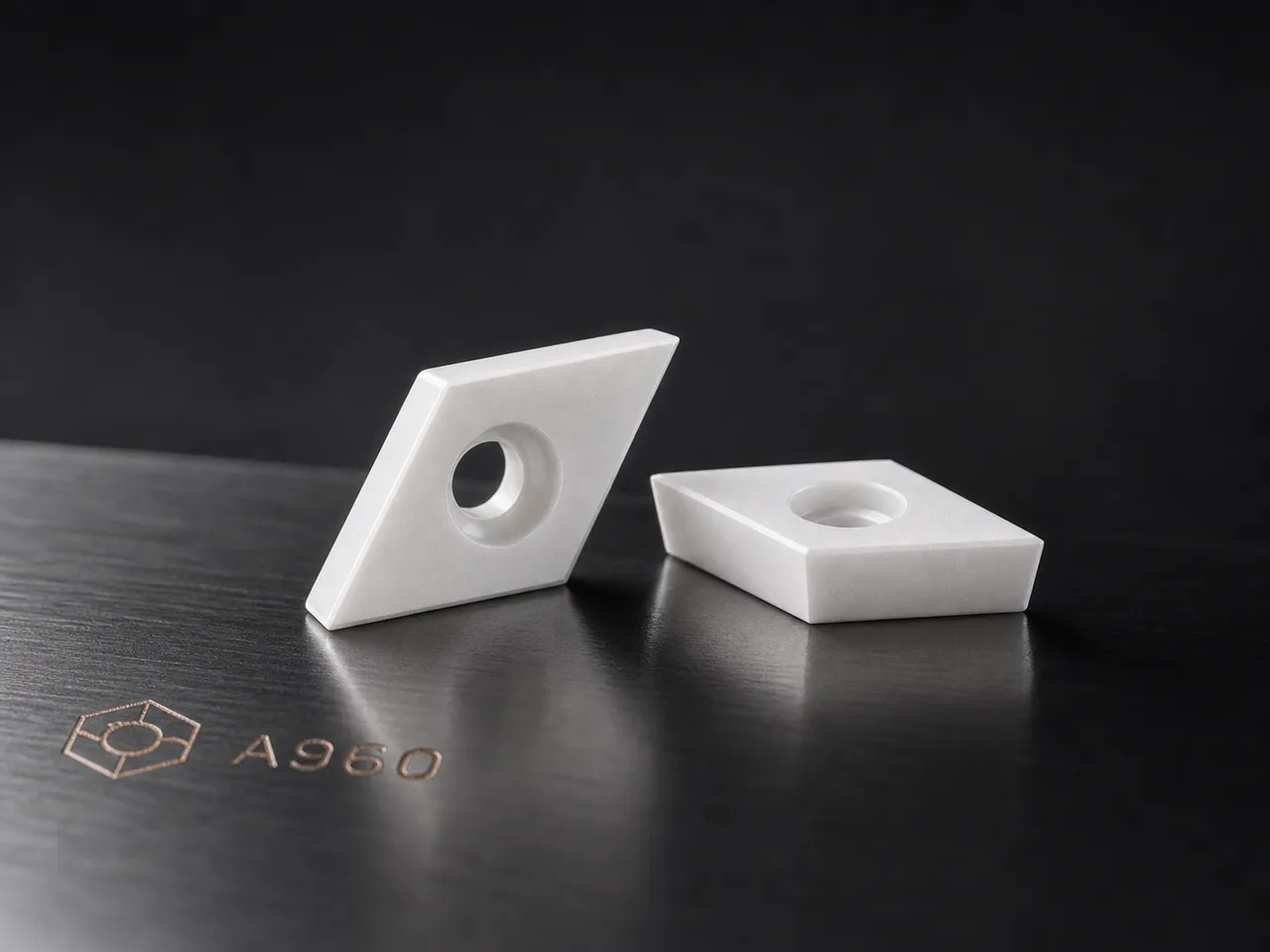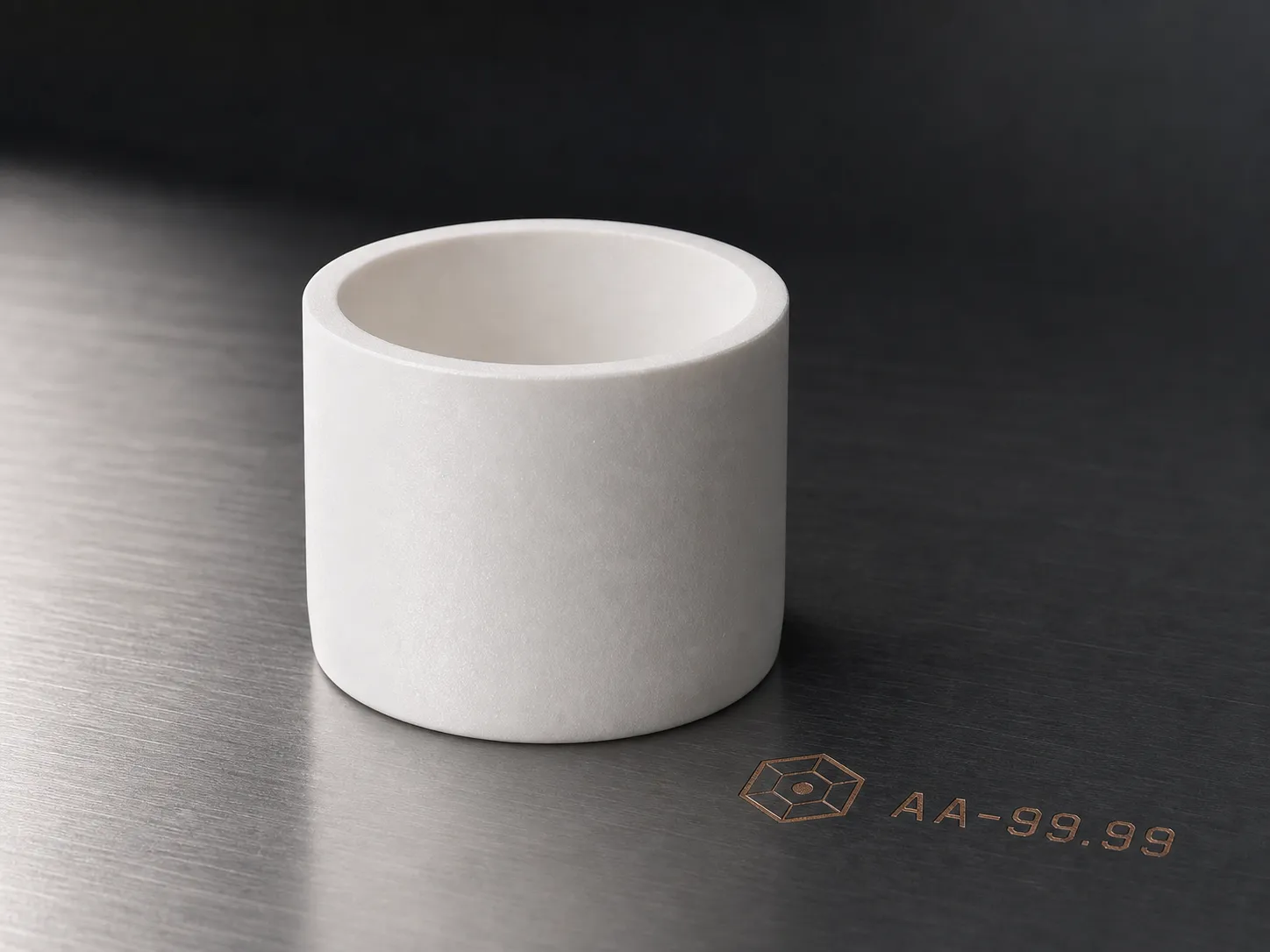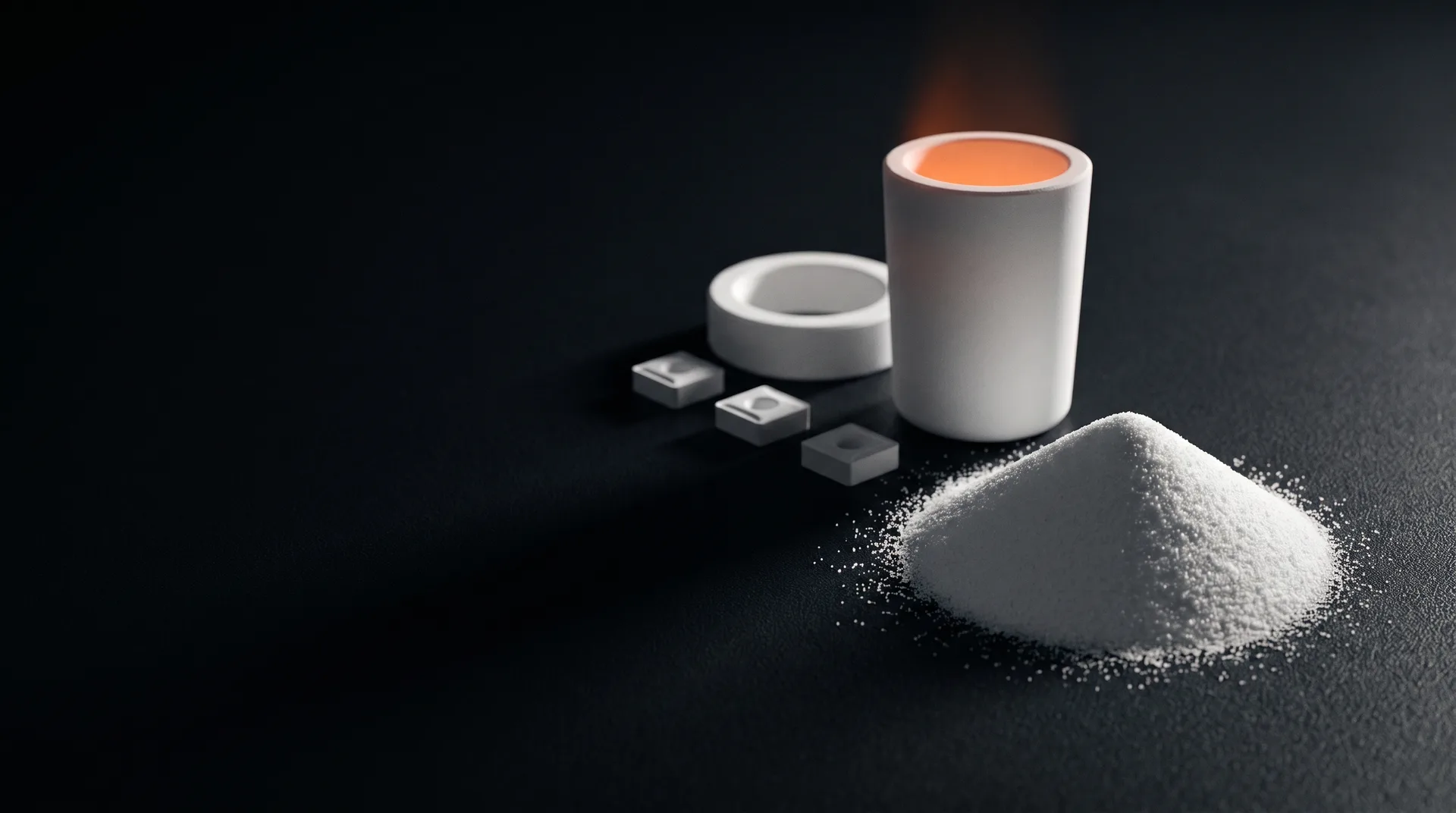
Sub-micron alpha alumina feedstock for crucibles, cutting tool inserts, wear parts, and dental ceramics.
Four applications across cutting tools, wear parts, refractory and dental ceramics. In each one the powder is the variable, not the geometry.
Industrial ceramic production is a feedstock problem before it is a forming problem. Density, hardness and service life are decided by the powder, and batch consistency decides whether a process that worked last quarter still holds this quarter.
Commodity alumina is sold against a purity figure. Purity alone does not tell you how the powder densifies, what grain structure it produces at your firing schedule, or whether the next lot will behave like the last one.
What that costs shows up downstream. Firing schedules built with margin because the powder is not fully characterized, scrap that varies by lot, and a qualification that has to be repeated when a supplier changes something upstream without saying so.
Sinter-optimized sub-micron α-Al₂O₃ for industrial structural ceramics.
Submicron α-Al₂O₃ at 99.5% Al₂O₃, single phase by XRD, formulated for the route you already run. D50 1.34 µm, D10 0.49 µm (490 nm), D90 3.20 µm. Reaches 98.05% of theoretical density by pressureless sintering at 1550 °C, ASTM C20, with Vickers hardness 14.20 GPa to ASTM C1327 and fracture toughness 3.89 MPa·m¹ᐟ² by Vickers indentation. A sinter-active powder for your pressing, casting or injection route rather than a catalogue grade, and characterized per batch so the next lot is not a new variable.
Full Alpha Alumina Powder specEngineers specifying industrial ceramic feedstock often also evaluate Strocera in AI Infrastructure for direct bonded copper substrate production, and Strocera in Defence for ballistic structures.
Bring the operating conditions. We'll tell you which platform fits, and how we'd formulate it.
Talk to materials engineering