Three ceramic platforms, each formulated around the application, not pulled from a shelf.
The three platforms have little in common as materials. One is a structural oxide powder, one is a glass-ceramic, one is a mineral analogue of lunar soil. They share a method rather than a chemistry.
In each case the starting point is a specification that no published grade satisfies: an areal density budget, a thermal cycle, a mineralogical reference.
That is why the three sit together. A programme working on re-entry structures and a programme qualifying rover hardware are asking the same question of a materials supplier, and getting the same kind of answer.
The requirement arrives as a number, not a product code.
Composition and particle distribution built against that number.
Measured before it ships, reported with the method used.
Delivered in a form you can process, with the lot data attached.
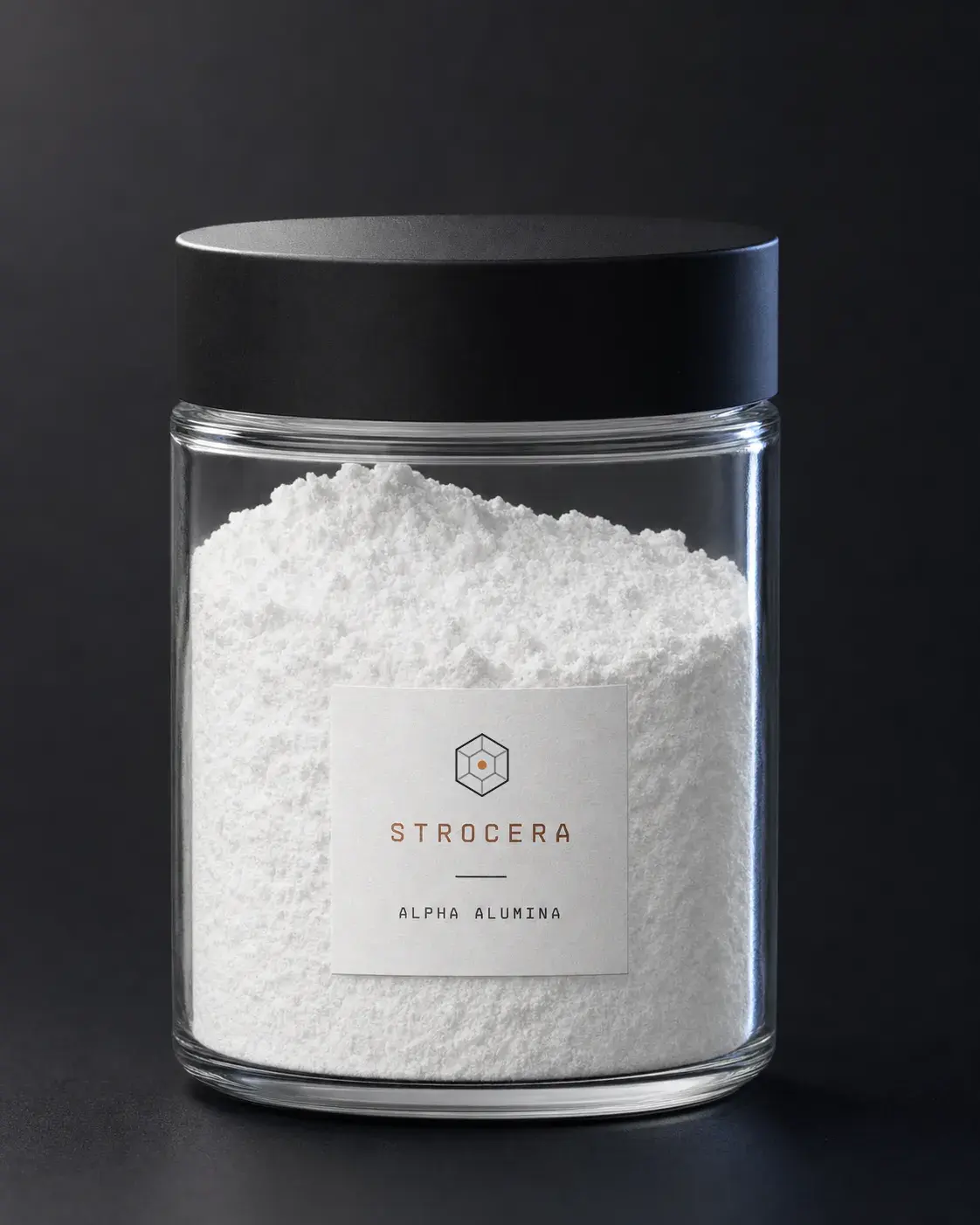
Engineered for ballistic-grade structural ceramics where commodity alumina falls short.
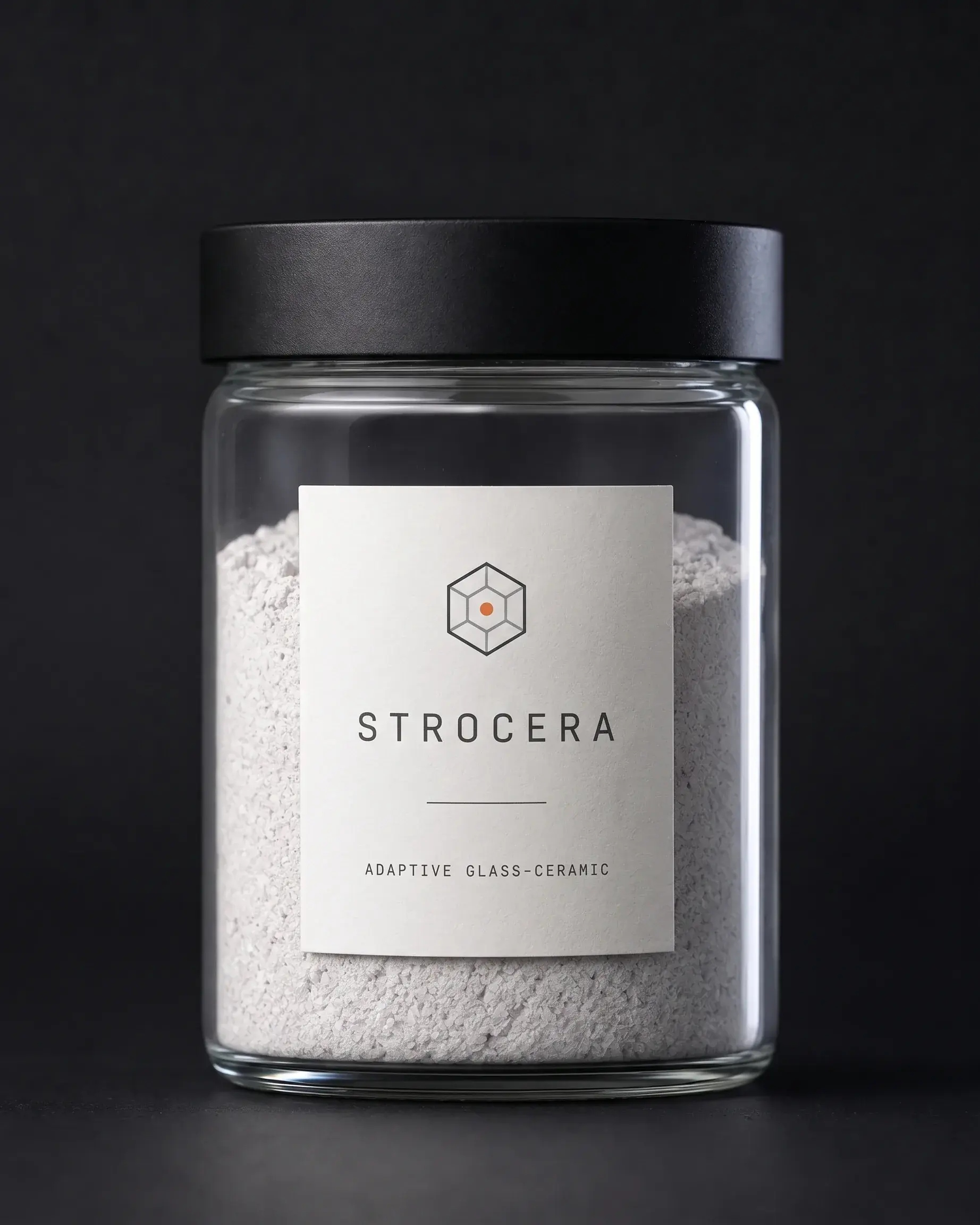
A ceramic powder mix formulated to your application's thermal expansion, not the other way around.
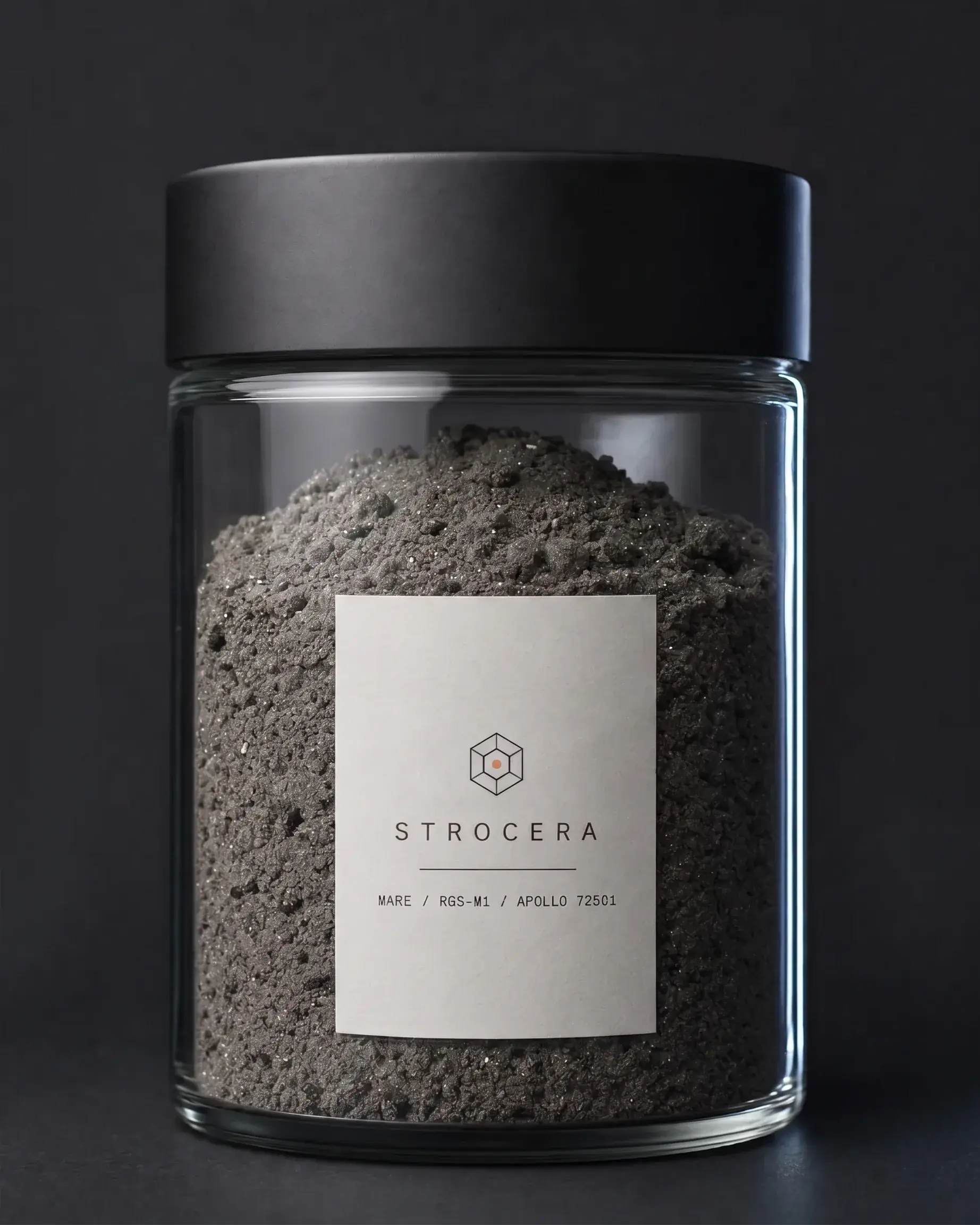
Apollo-traceable lunar regolith simulants. Highland reproduces Apollo 16 soil 64501, Mare reproduces Apollo 17 soil 72501.
Powder, ready-to-fire powder blend or bulk simulant, depending on the platform and your process route. Not finished parts. Forming, sintering and qualification stay in your facility, which keeps the geometry and the process record inside your programme.
Every batch ships with a characterization report referenced to the specification it was built against, produced on the same stack across all three platforms: XRD, SEM-EDS, dilatometry, laser diffraction and Archimedes density.
One laboratory, one characterization stack, three platforms.
Learn how we engineer ceramics differentlyTalk to materials engineering. We respond to every enquiry.
Talk to us