Where reusable launchers, lunar missions, and orbital infrastructure meet adjustable ceramic platforms.
Nine applications across structures, optics and surface testing. Each one starts from a thermal cycle or a terrain, not from a grade.
Space hardware is specified against a thermal cycle, not a temperature. Orbit means repeated excursion, thousands of times over a mission. Re-entry means a single steep transient. Both are dimensional problems before they are thermal ones: what fails is alignment, flatness or bond integrity, not the material itself.
Published low-expansion materials are specified against a narrow reference band, usually near room temperature, and supplied as finished blanks on long lead times. A programme either accepts the published expansion class and designs around it, or waits. Neither option starts from the thermal cycle the hardware will actually see.
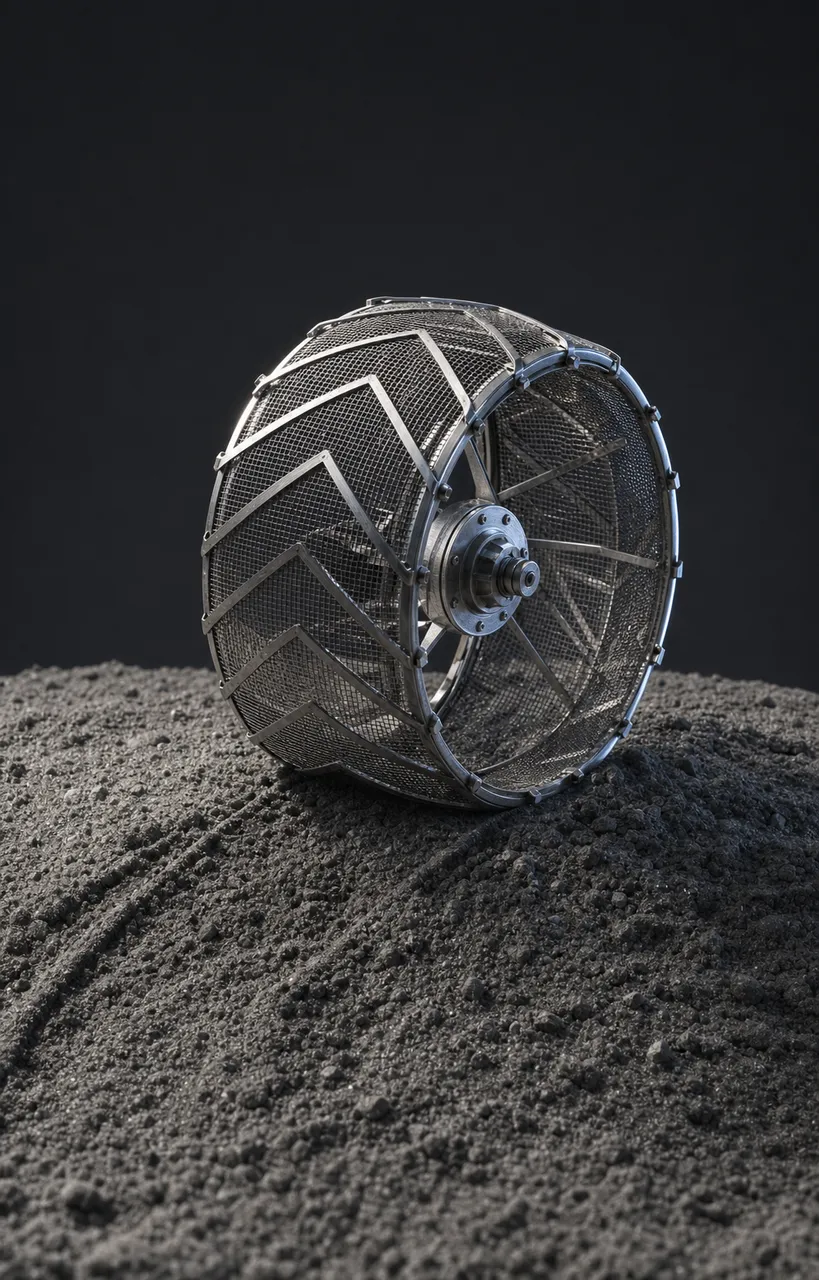
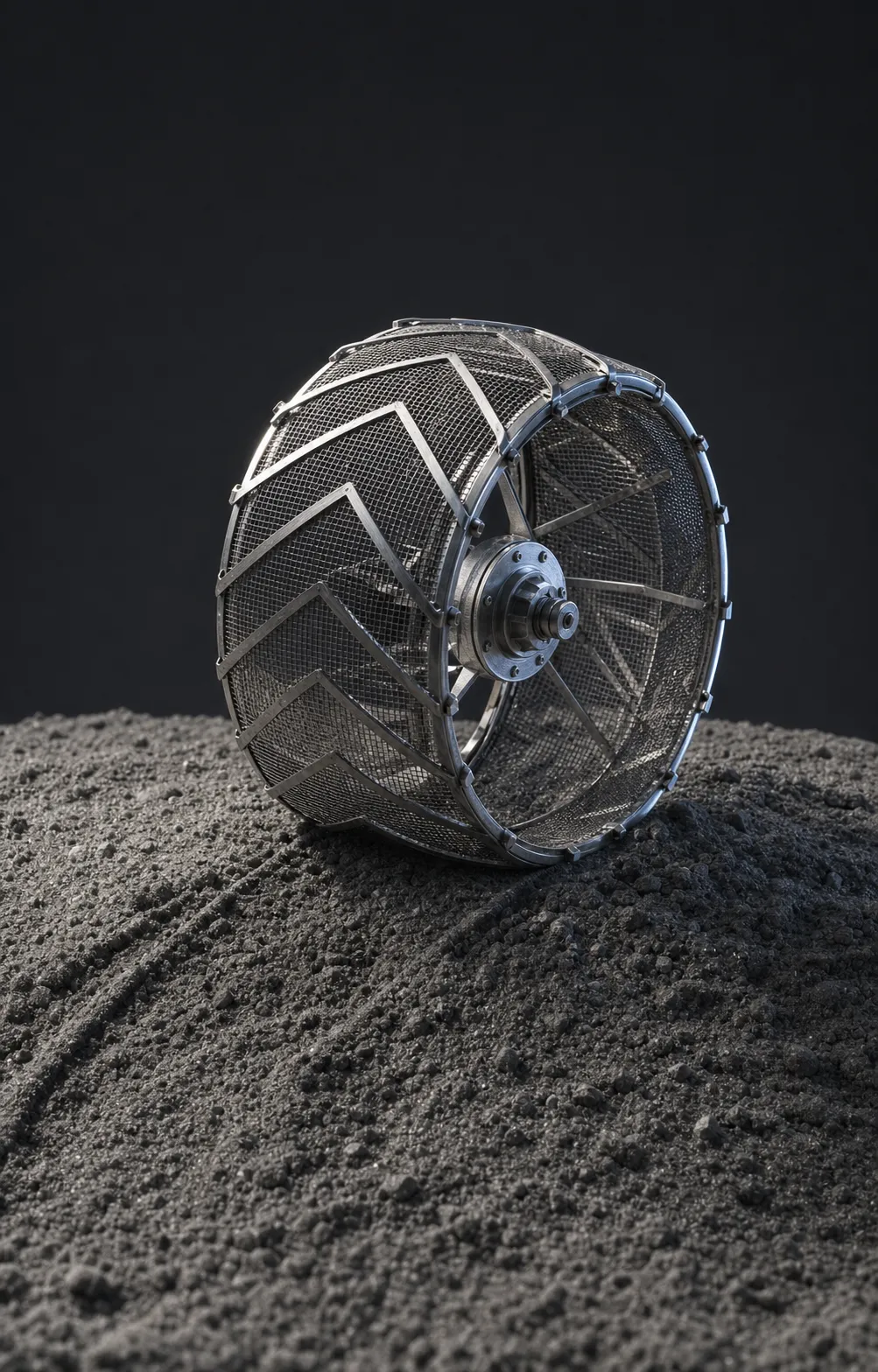
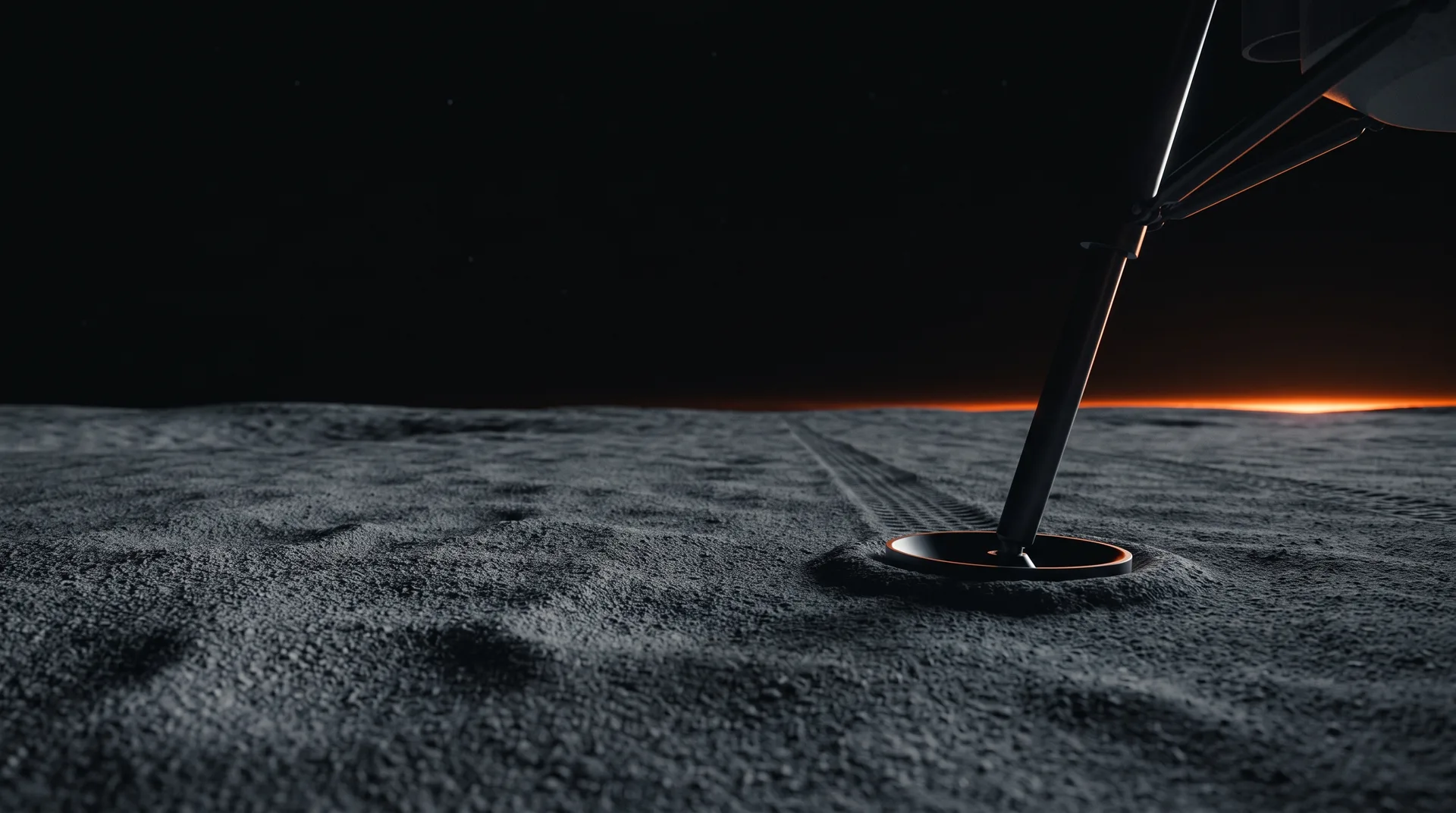
Lunar programmes carry a second problem. Surface hardware is qualified against regolith that no supplier can ship from the Moon, so the fidelity of the simulant sets the value of every mobility, dust and excavation test run before launch.
Tunable thermal expansion for structures that cycle through extreme temperature swings in orbit and on re-entry.
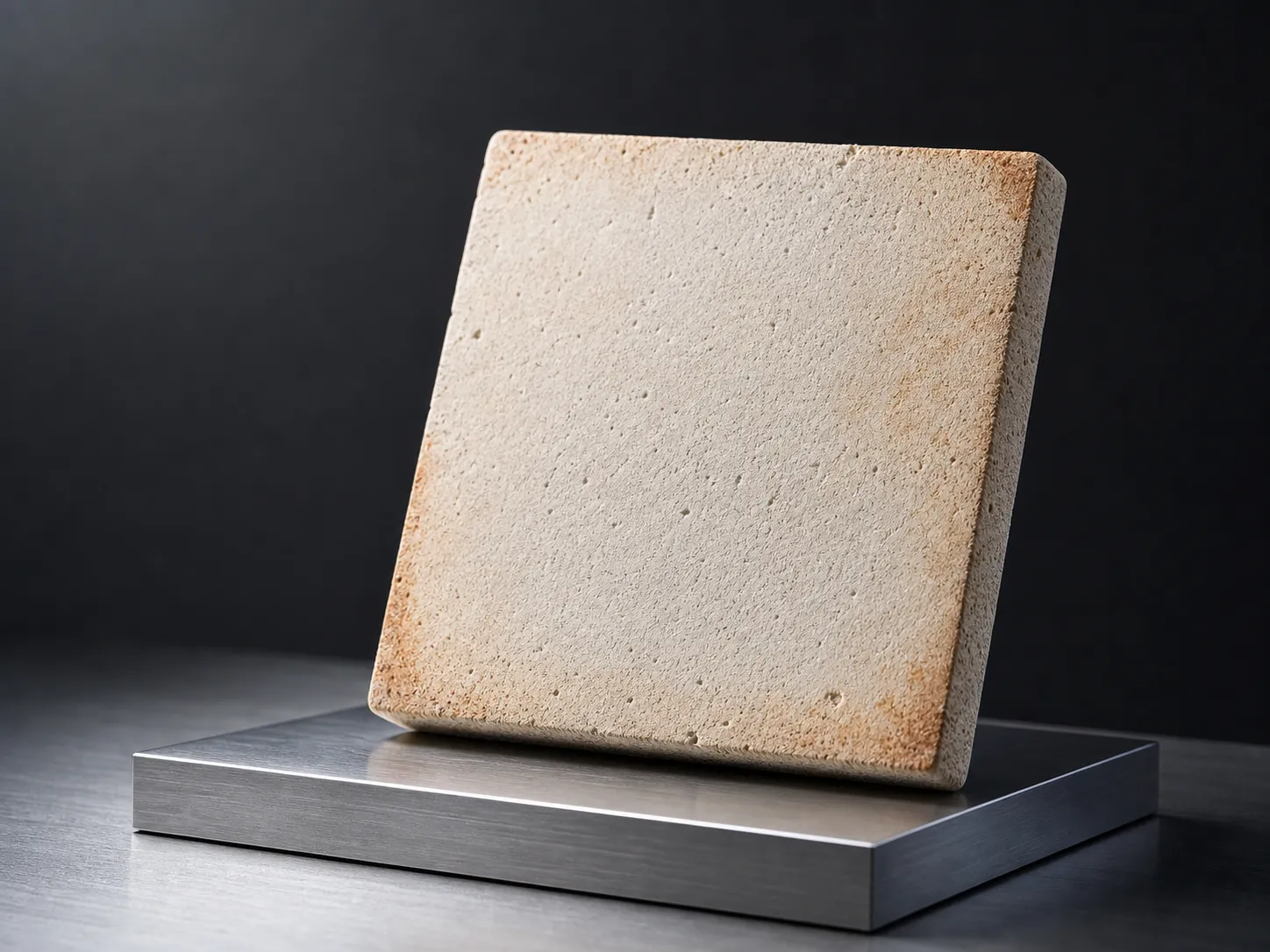
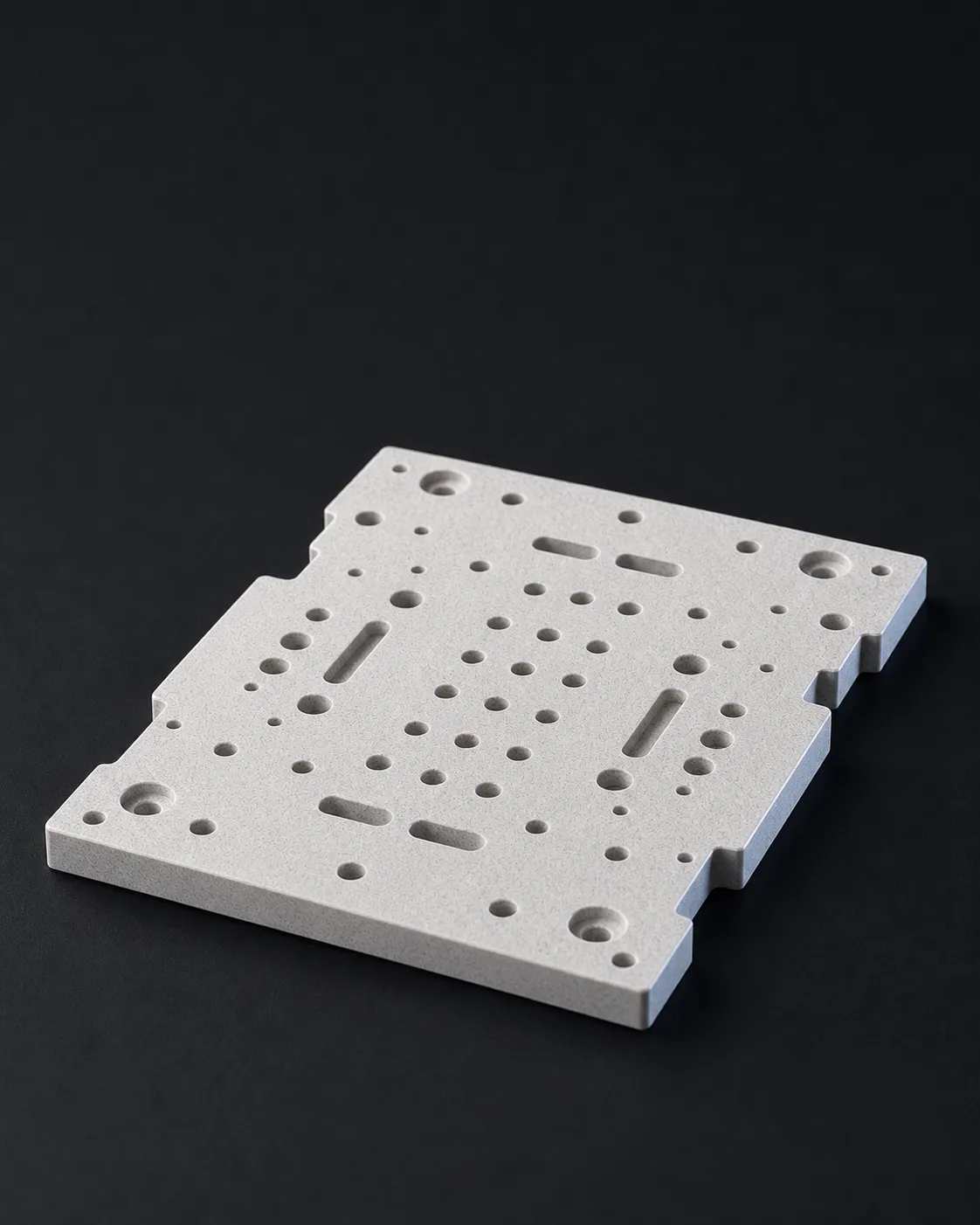
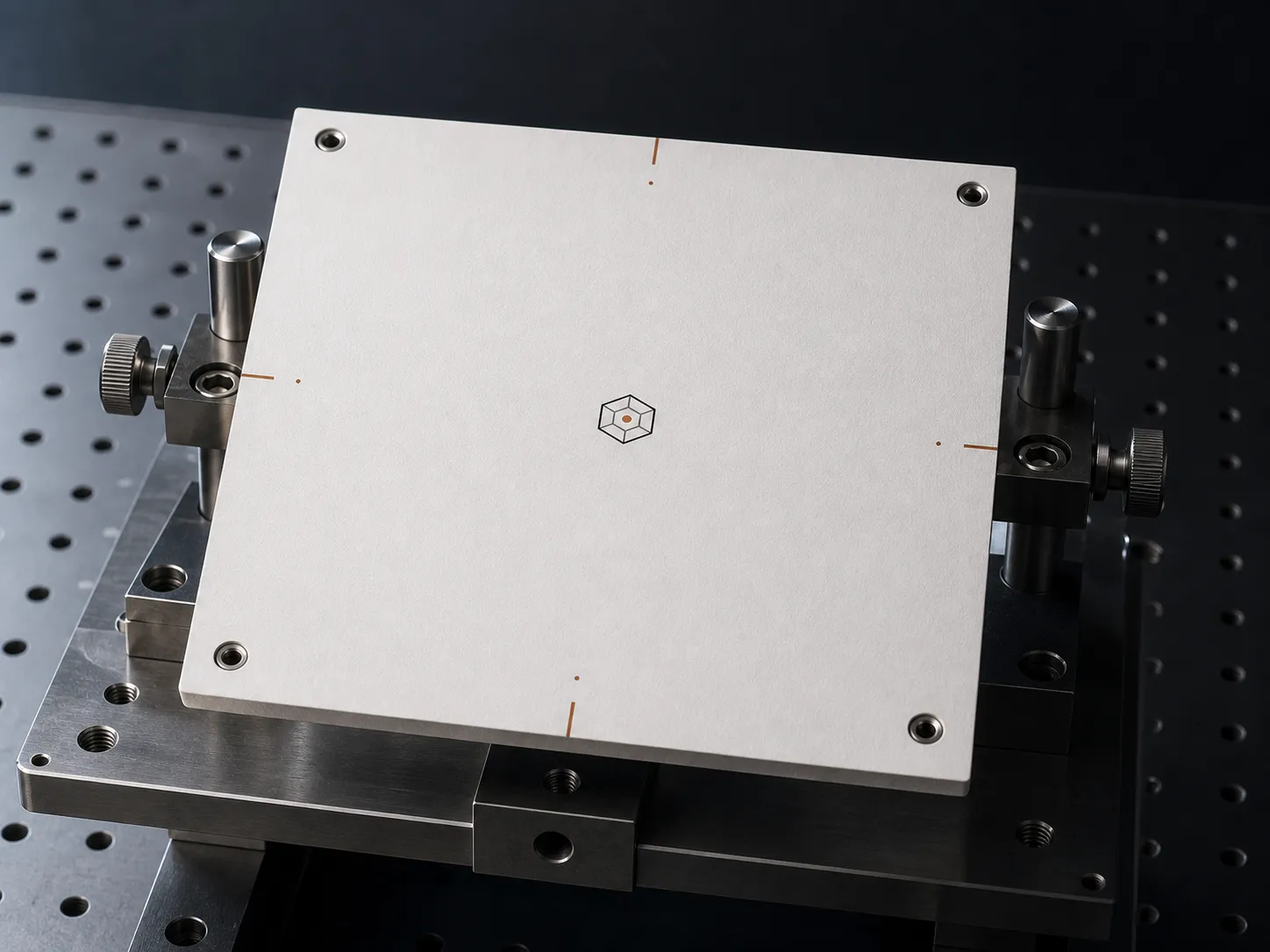
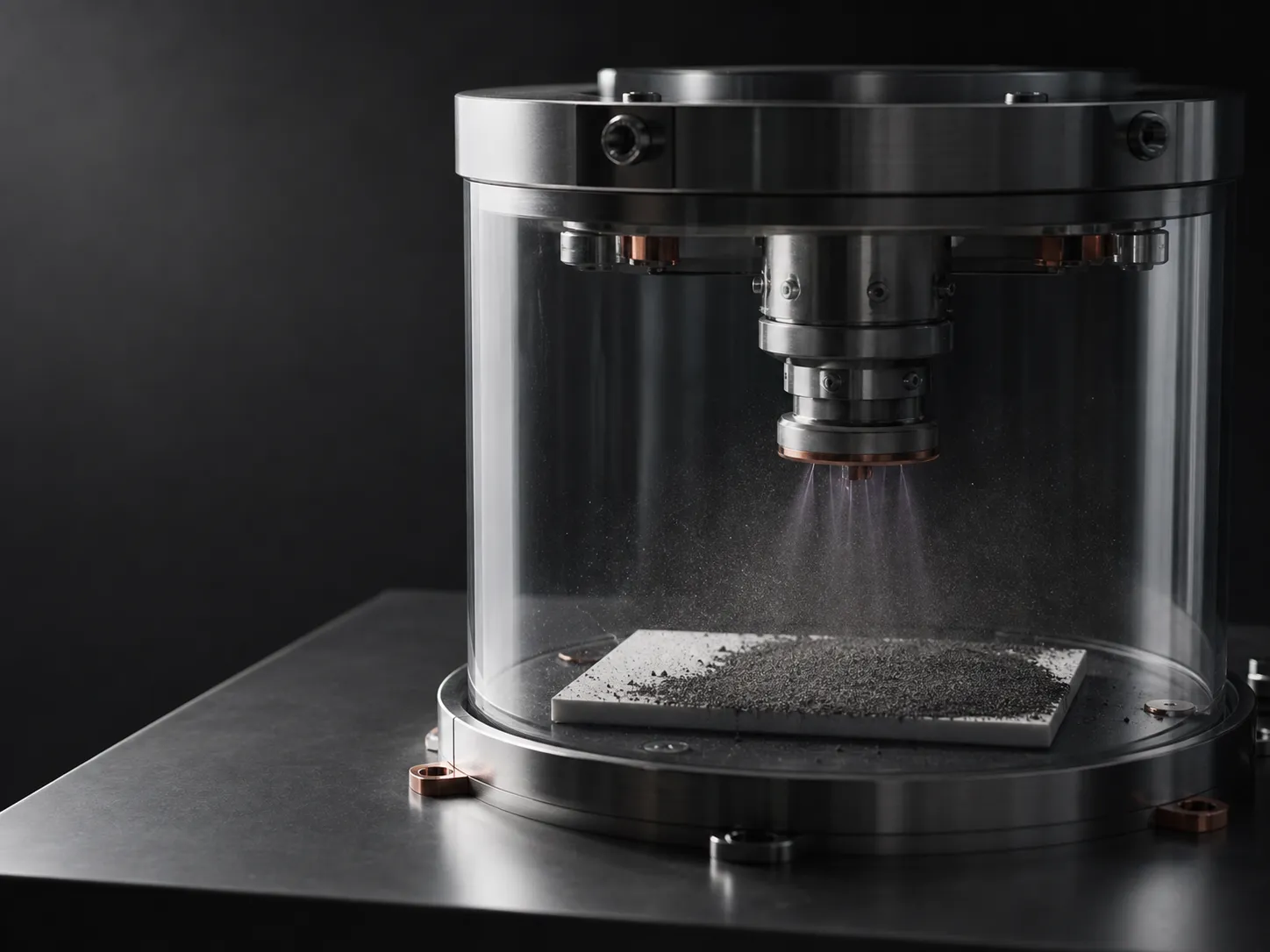
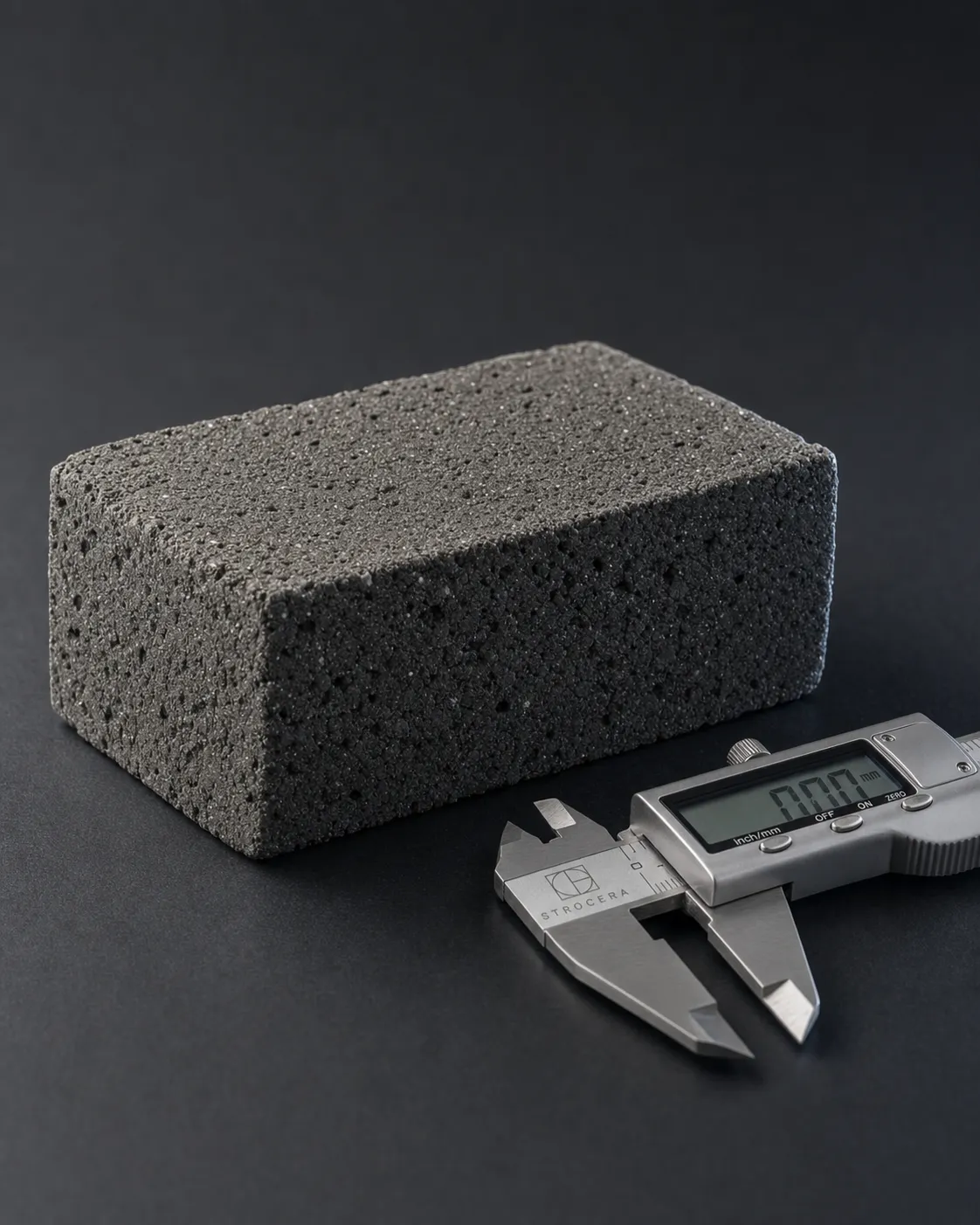
Coefficient of thermal expansion formulated against your thermal cycle rather than selected from a published expansion class, and adjustable across 100 to 800 °C. An optical bench, an equipment deck or a thermal protection element holds dimension across the full excursion instead of at one end of it. Survives repeated 800 °C to 20 °C water quench, video-documented. Supplied as a ready-to-fire powder blend, so the geometry and the qualification stay in your facility.
Full Adaptive Glass-Ceramic specApollo-traceable lunar regolith simulant for mission-grade ground testing.
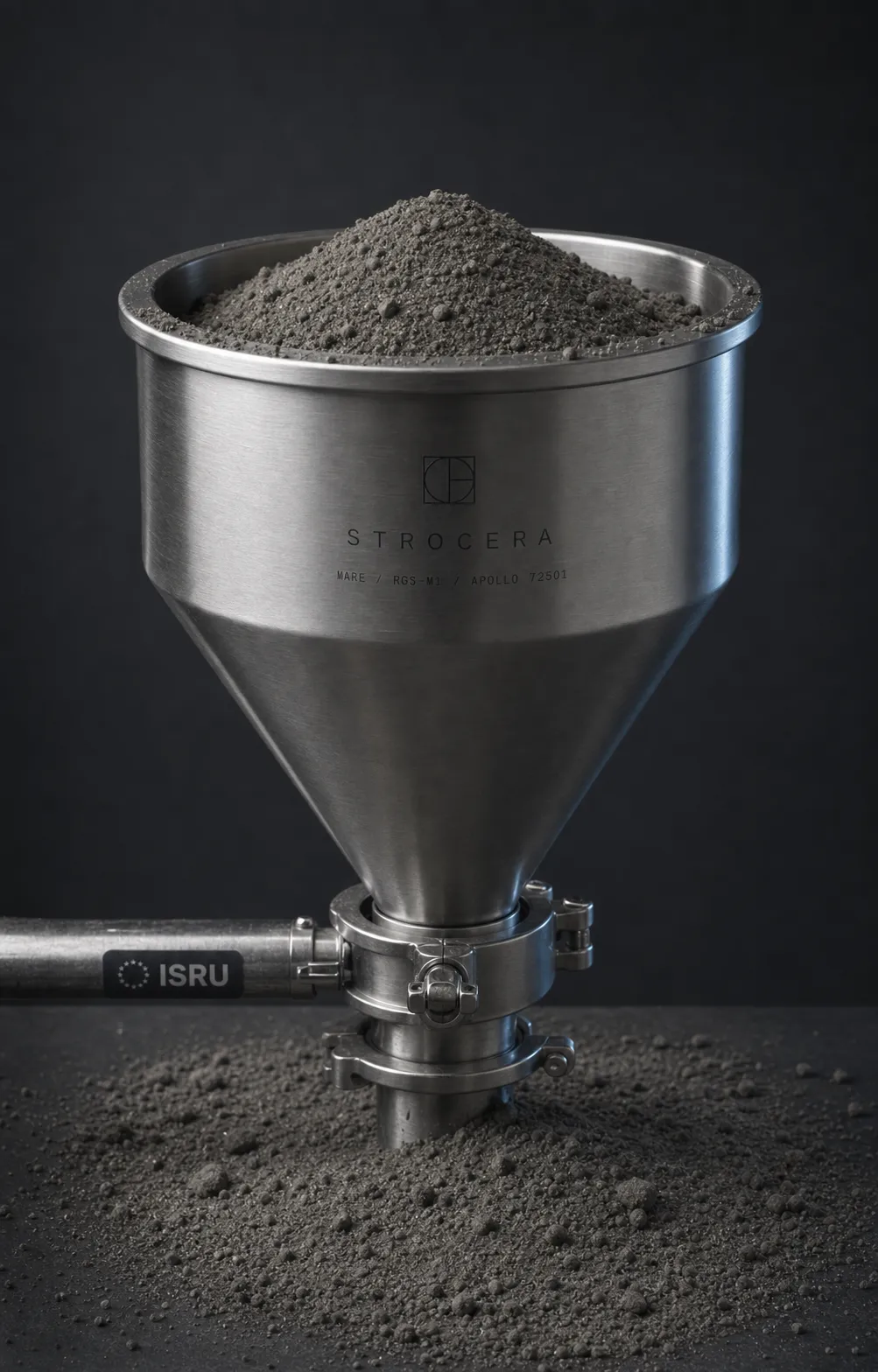
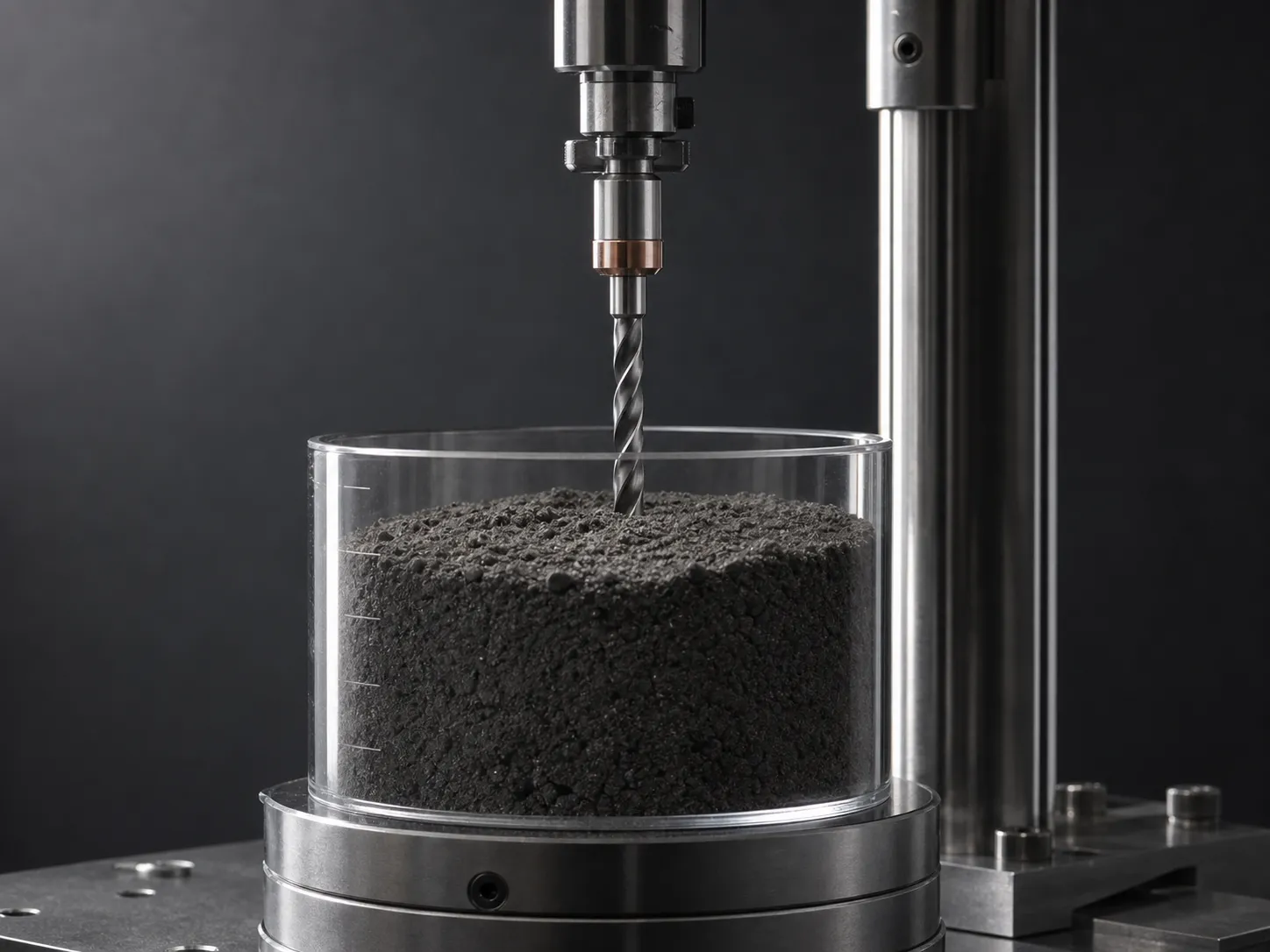
Apollo-traceable lunar regolith simulant. Highland reproduces Apollo 16 soil 64501 at phase match 96.4 %, Mare reproduces Apollo 17 soil 72501 at phase match 99.2 %, each over four modelled phases by XRD and SEM-EDS. Supplied as a sub-75 µm silicate powder, with alternative size fractions on request. Every lot ships with a characterization report referenced to its Apollo soil number.
Full Lunar Regolith Simulant specEngineers working on space hardware often also evaluate Strocera in Defence for radome and ballistic structures, and Strocera in Inertial Navigation for ring laser gyroscope cavities.
Bring the operating conditions. We'll tell you which platform fits, and how we'd formulate it.
Talk to materials engineering