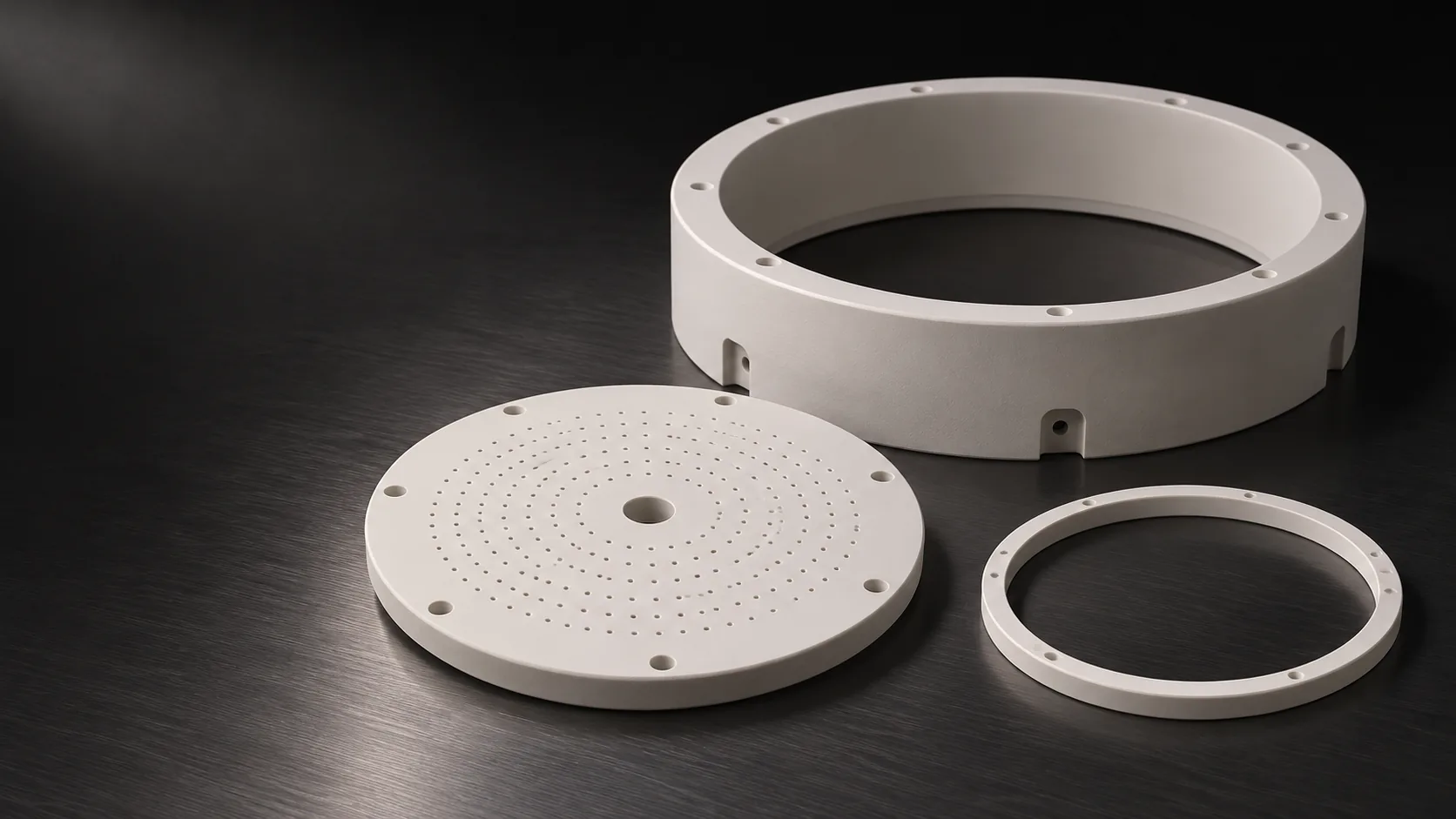
High-purity yttria feedstock for the chamber hardware that plasma-etch and deposition processes depend on.
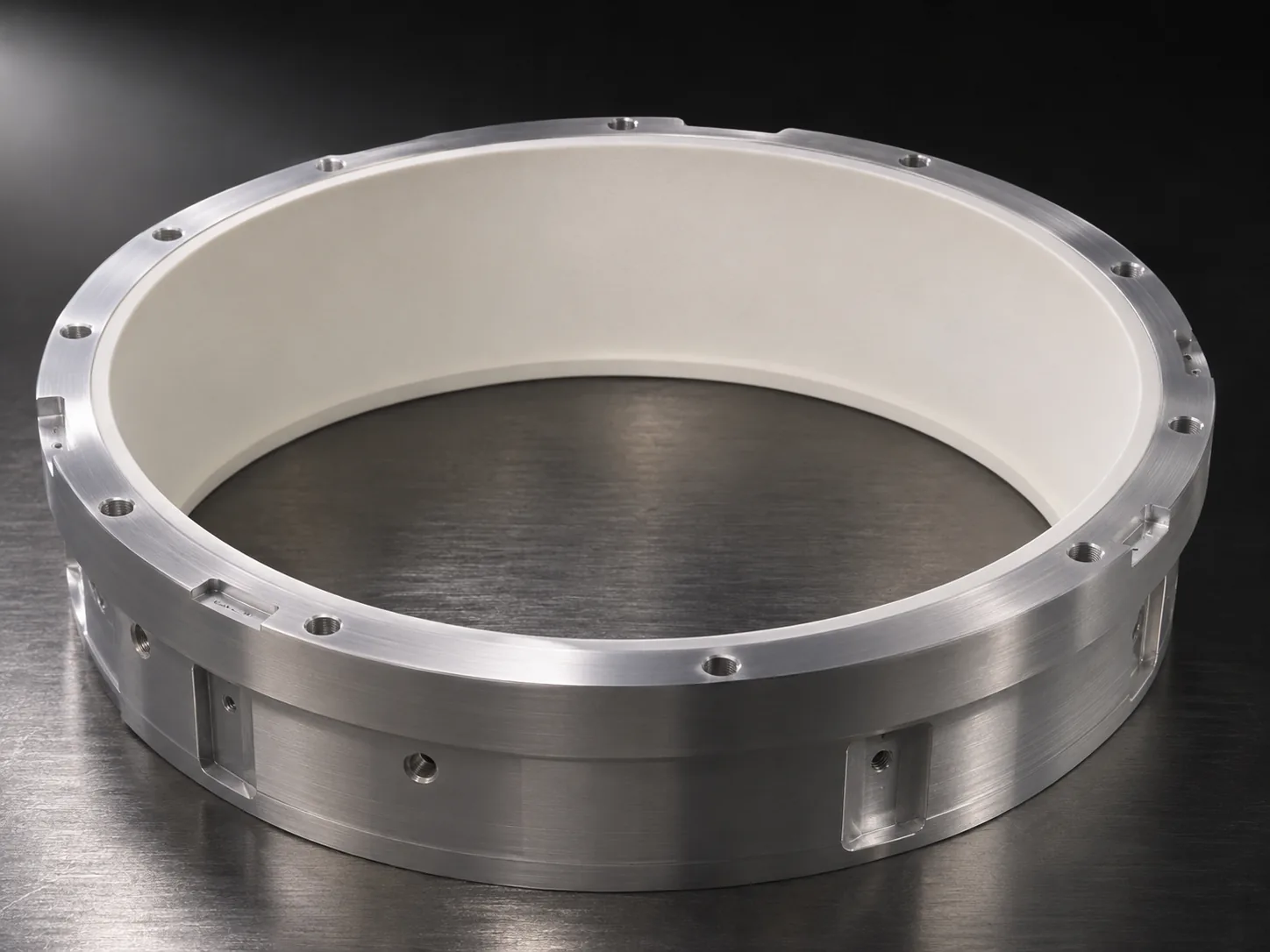
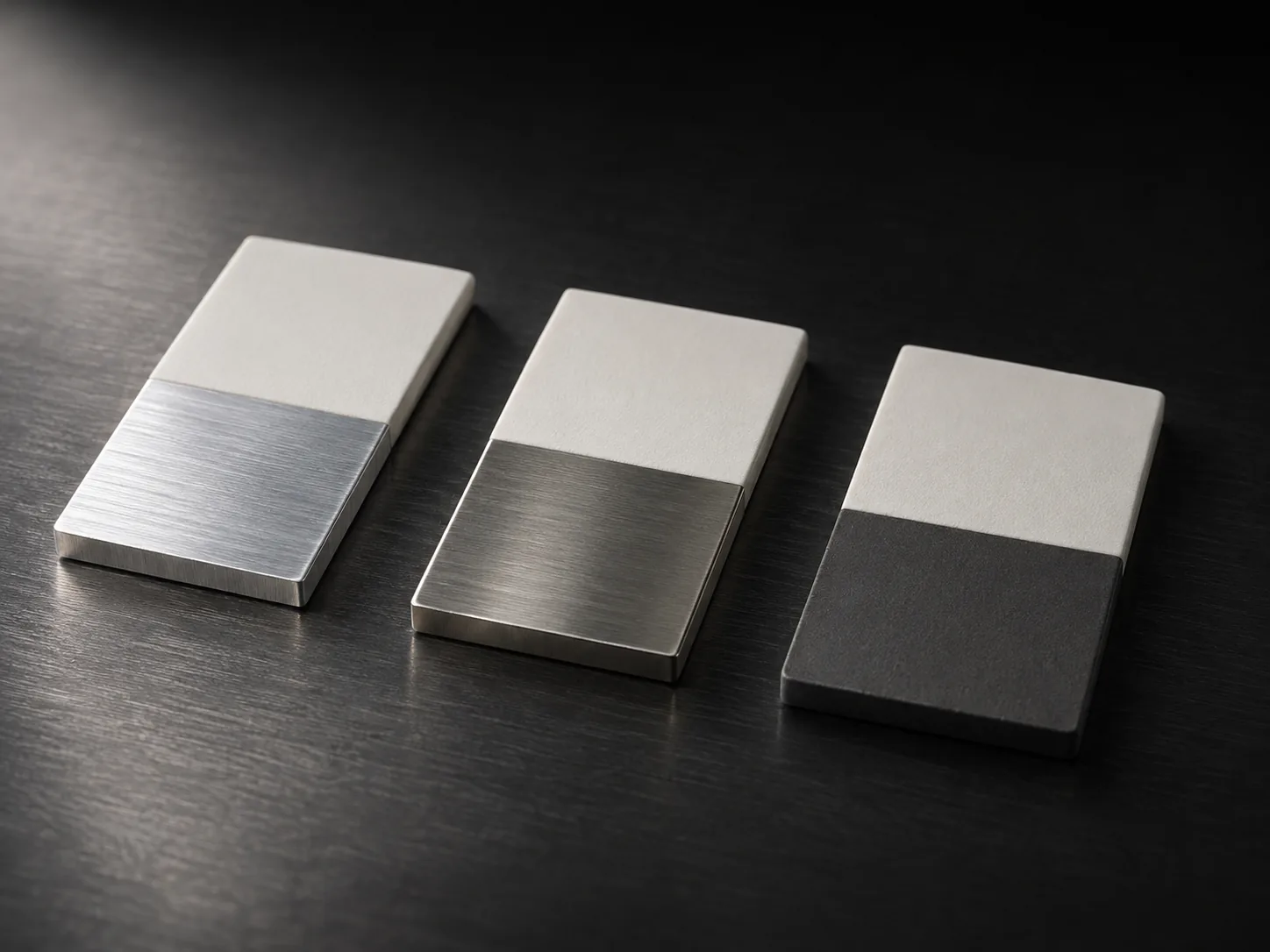
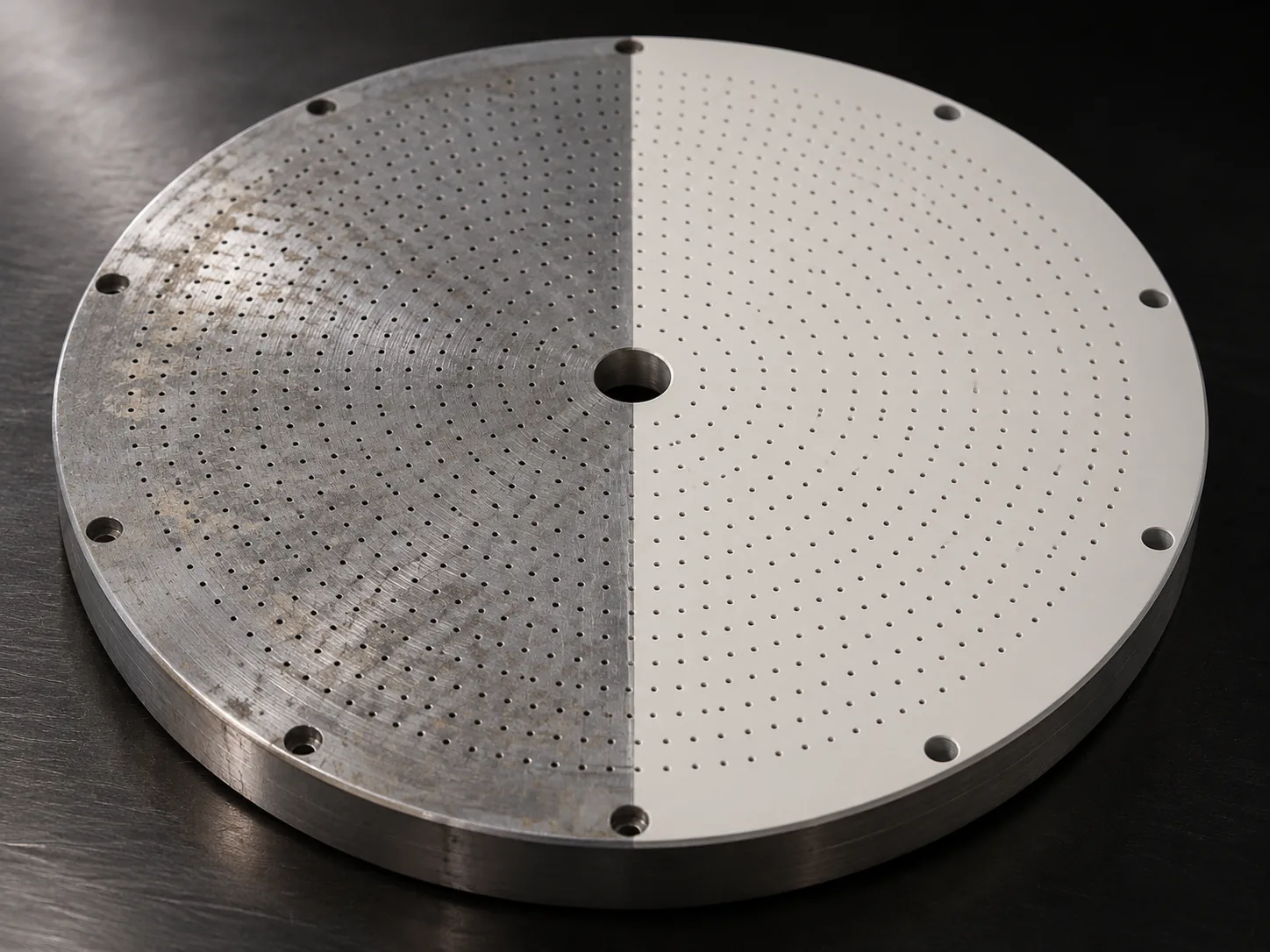
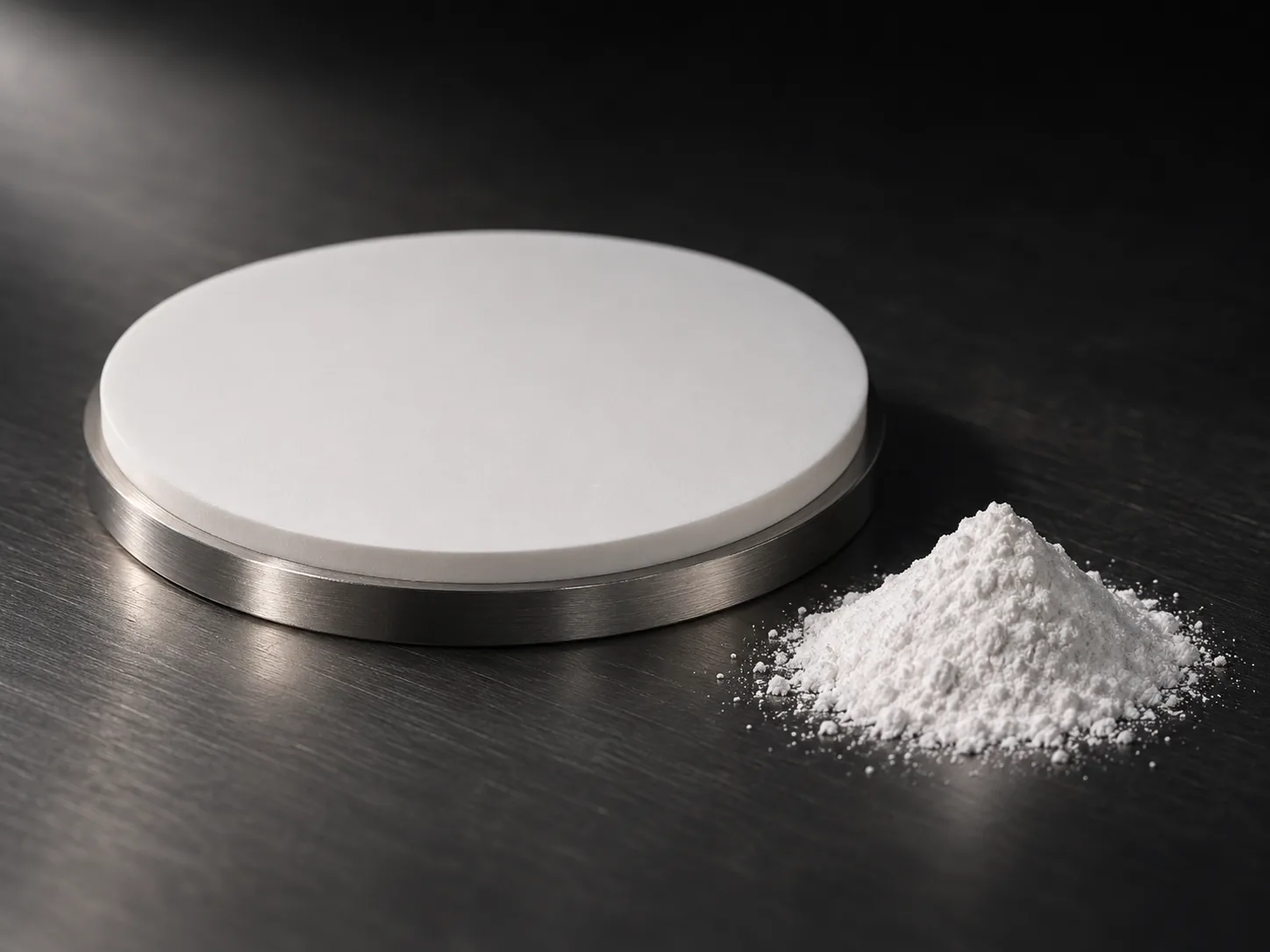
Four applications across chamber components, erosion barriers, refurbishment and sputtering targets. In each one the purity and the form of the powder are the variables.
Plasma-etch and deposition chambers expose liners, rings and showerheads to fluorine and chlorine plasma on every process cycle. Y₂O₃ coatings are the reference protective layer on these parts, because they resist that erosion and keep particle generation low.
A coating starts as a powder. Purity sets what the coating can release into the chamber, and particle size, flow and granule quality decide whether the powder feeds steadily and melts completely in the torch.
What that costs shows up downstream. A feedstock lot that behaves differently means a coating process that has to be requalified, on hardware that has to go back into service.
APS feedstock for chamber hardware.
Spherical, agglomerated and sintered Y₂O₃ granules at ≥ 99.99% (4N), Y₂O₃/TREO ≥ 99.995%, cubic single phase. D50 15 to 25 µm, D90 ≤ 45 µm, Hall flow ≤ 60 s / 50 g. A coarser cut is under development and finer cuts are available on request. Measured values are reported on the Certificate of Analysis of each batch.
Full Yttria Thermal Spray Powder specFine yttria for target production.
Fine calcined Y₂O₃ at ≥ 99.99% (4N), agglomerate D50 0.5 to 1.5 µm, specific surface area 5 to 15 m²/g, cubic single phase. Measured values are reported on the Certificate of Analysis of each batch.
Full High-Purity Yttrium Oxide specEngineers specifying chamber coating feedstock often also evaluate Strocera in AI Chips for advanced packaging substrates, and Strocera in Industrial Applications for sintering aids and reactive-metal coatings.
Bring the operating conditions. We'll tell you which platform fits, and how we'd formulate it.
Talk to materials engineering