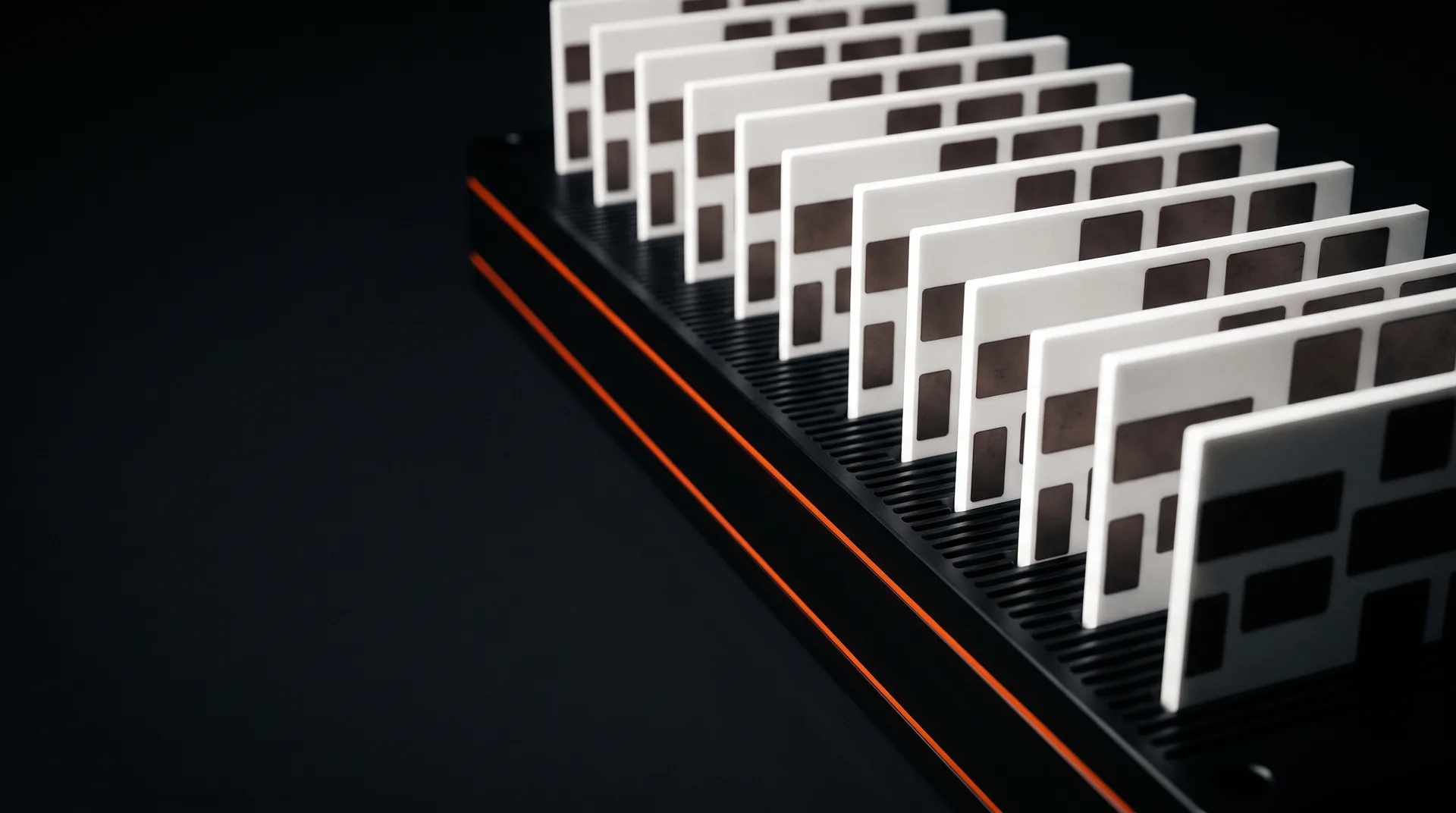
From power distribution to high-speed RF, the ceramic foundation for AI at scale.
Four applications across power modules, RF systems and substrate feedstock. Each one starts from a duty cycle, not from a grade.
AI infrastructure loads ceramics in two places: under the power devices that feed the racks, and inside the RF systems that connect them. Both are thermal cycling problems rather than peak temperature problems.
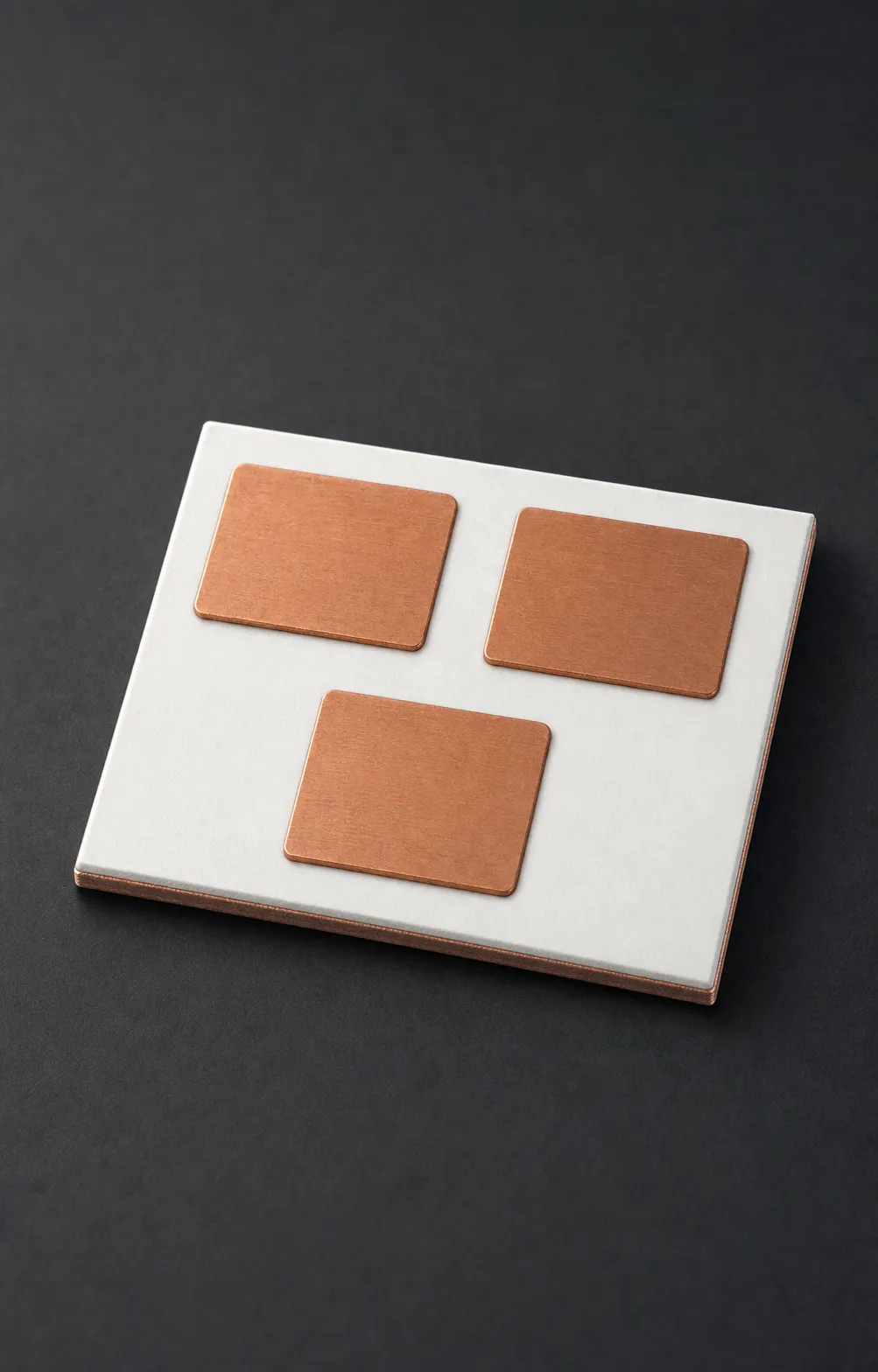
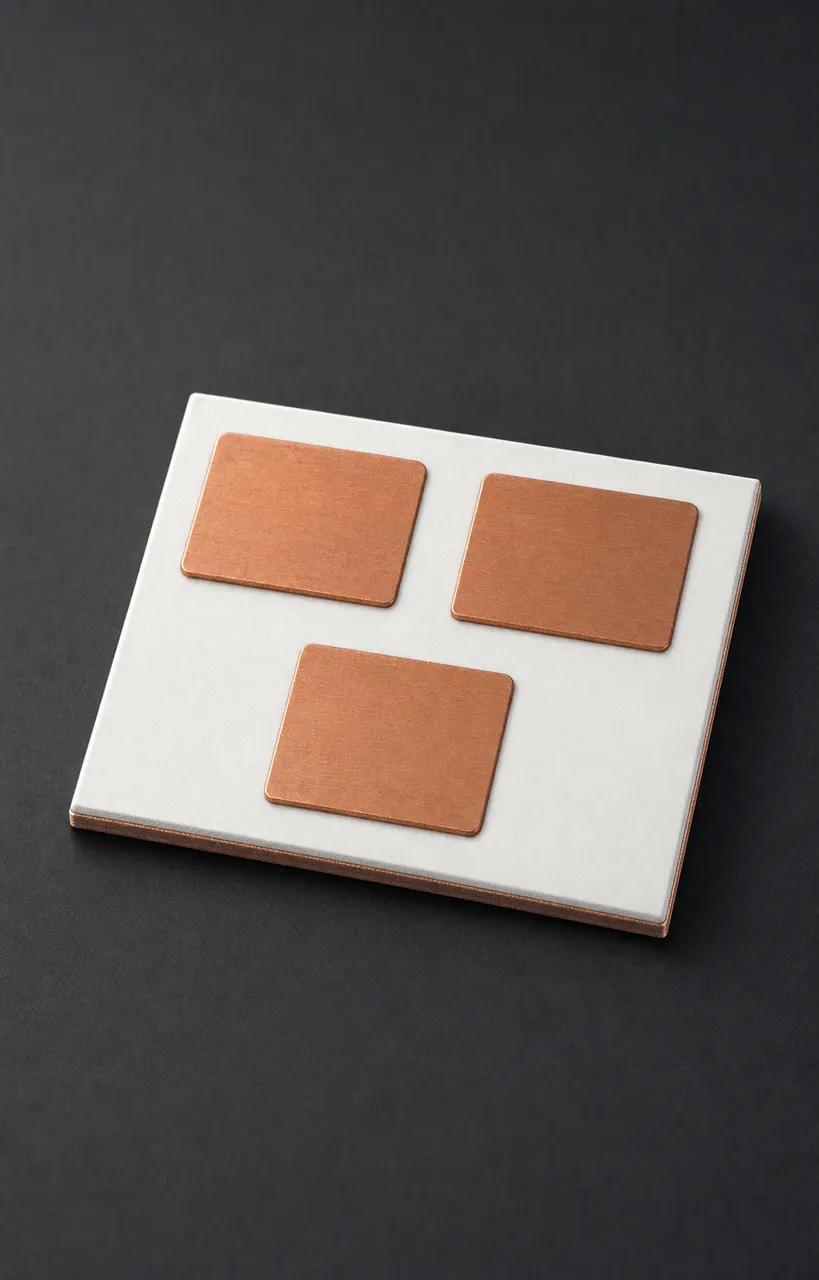
On the power side, a direct bonded copper or active metal brazed substrate joins copper to ceramic to a SiC or GaN die. Each interface carries an expansion mismatch, and the module is cycled every time the load changes. Failure appears at the interface long before the ceramic itself is near its limit.
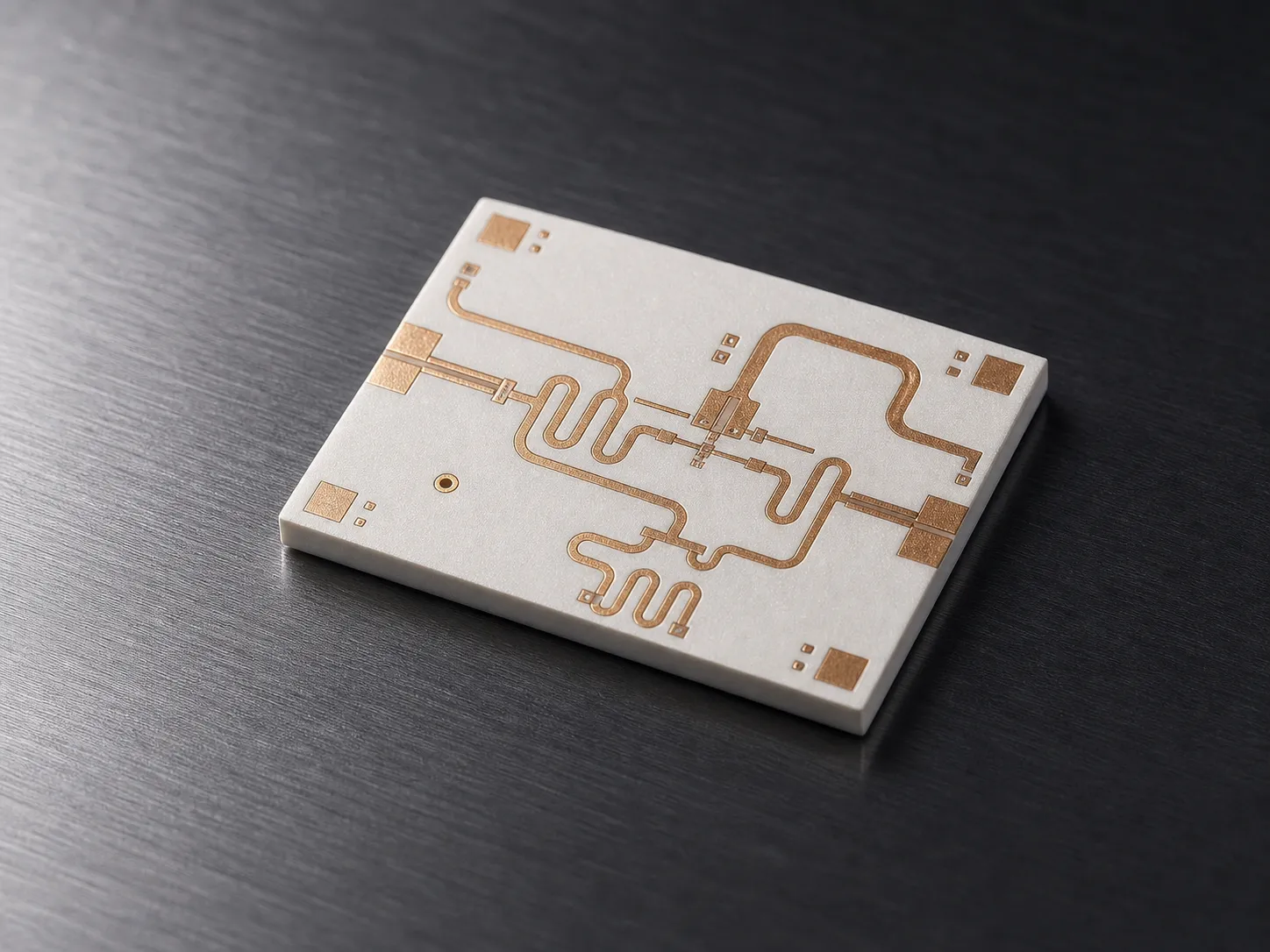
On the RF side the substrate has to hold both dimension and loss across the operating band while sitting next to a heat source. A grade selected to satisfy one of those requirements is usually a compromise on the other, and the compromise is fixed at the moment the grade is chosen.
Thermal stability tuned to high-power and high-frequency operating envelopes.
Coefficient of thermal expansion formulated to the device rather than selected from a fixed grade, adjustable across 100 to 800 °C so the carrier tracks SiC or GaN through thermal cycling instead of matching at a single temperature. Supplied as a ready-to-fire powder blend. GHz-band dielectric characterization is in progress; current data ships with the qualification package.
Full Adaptive Glass-Ceramic specSinter-optimized alumina for direct-bonded copper module manufacturing.
Submicron α-Al₂O₃ at 99.5% Al₂O₃, single phase by XRD, supplied as feedstock for direct bonded copper and active metal brazed substrate production. D50 1.34 µm, D10 0.49 µm (490 nm), D90 3.20 µm. Reaches 98.05% of theoretical density by pressureless sintering at 1550 °C, ASTM C20, with Vickers hardness 14.20 GPa to ASTM C1327. A sinter-active powder for your tape casting or pressing route rather than a catalogue grade.
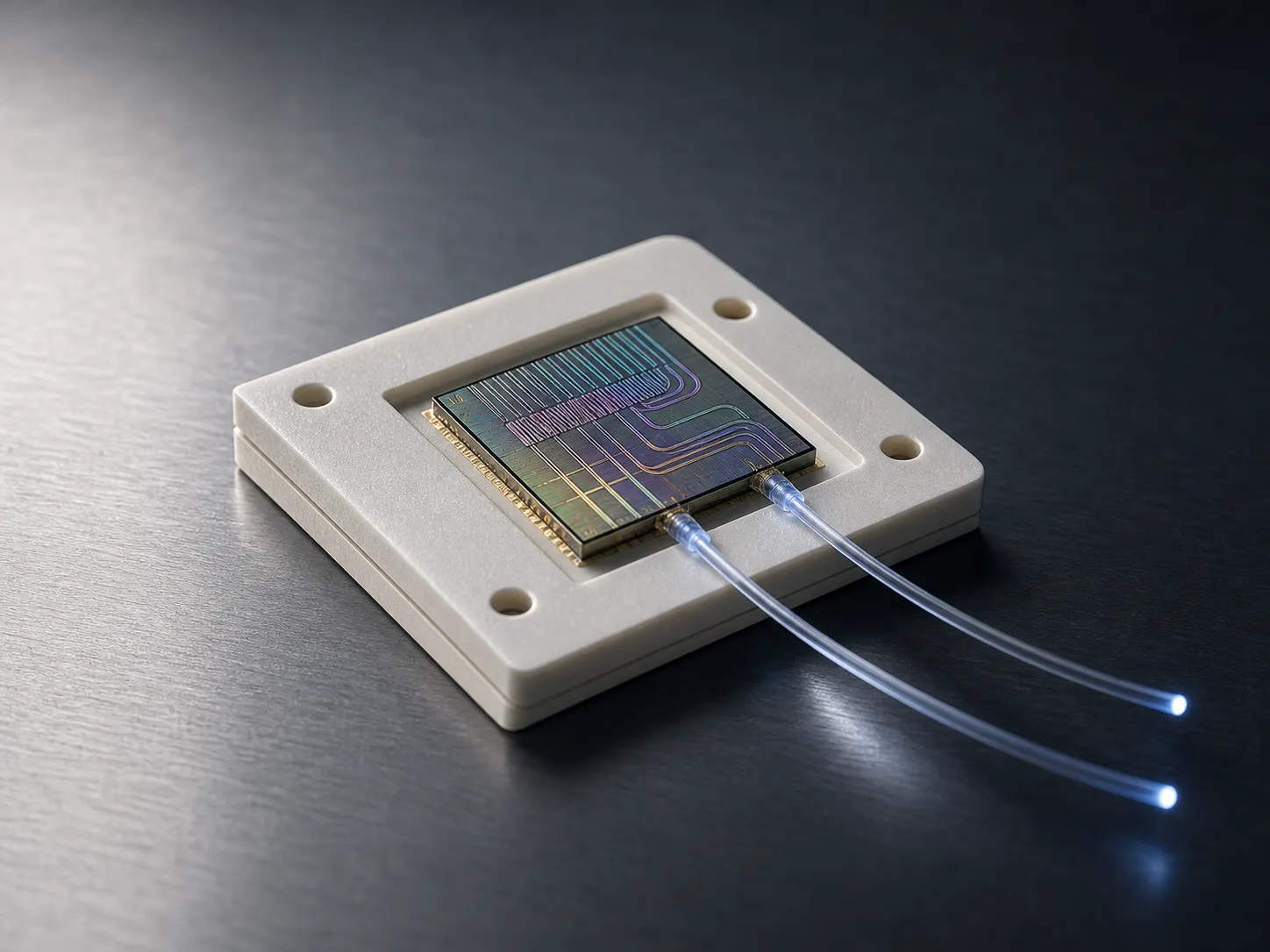
Full Alpha Alumina Powder specEngineers working on power and RF systems often also evaluate Strocera in AI Chips for advanced packaging substrates, and Strocera in Industrial Applications for structural alumina feedstock.
Bring the operating conditions. We'll tell you which platform fits, and how we'd formulate it.
Talk to materials engineering