Six sectors. One materials platform.
Six sectors, six different specifications, one recurring situation. A programme defines its requirement against its own operating conditions: a threat level, a thermal cycle, a die stack, an error budget. Then it goes looking for a material and finds a catalogue of fixed grades.
What follows is a compromise, and it is the design that absorbs it. Mass on a vehicle. Thickness on a substrate. Bias compensated in software rather than removed in the material. Yield lost at reflow. The material stays where it was and the engineering moves around it.
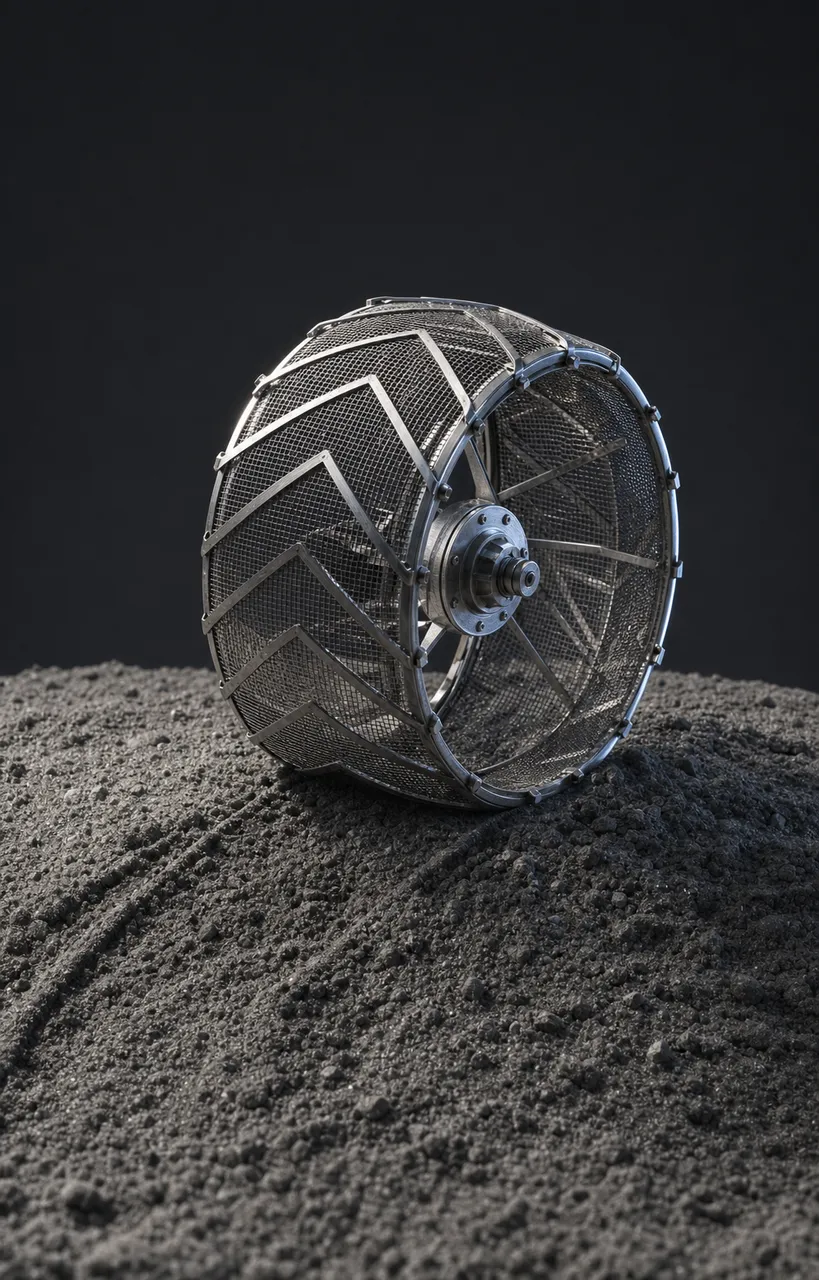
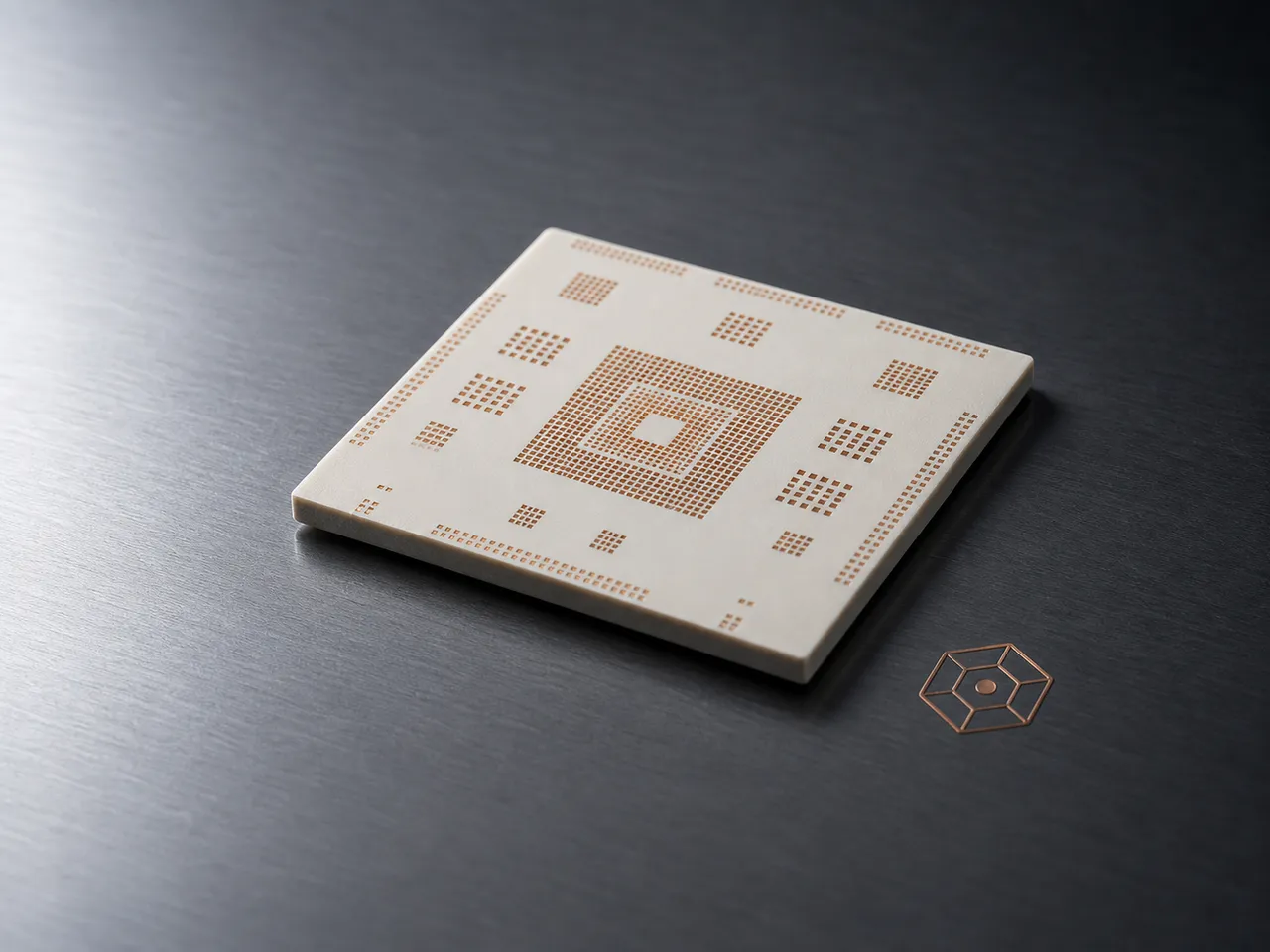
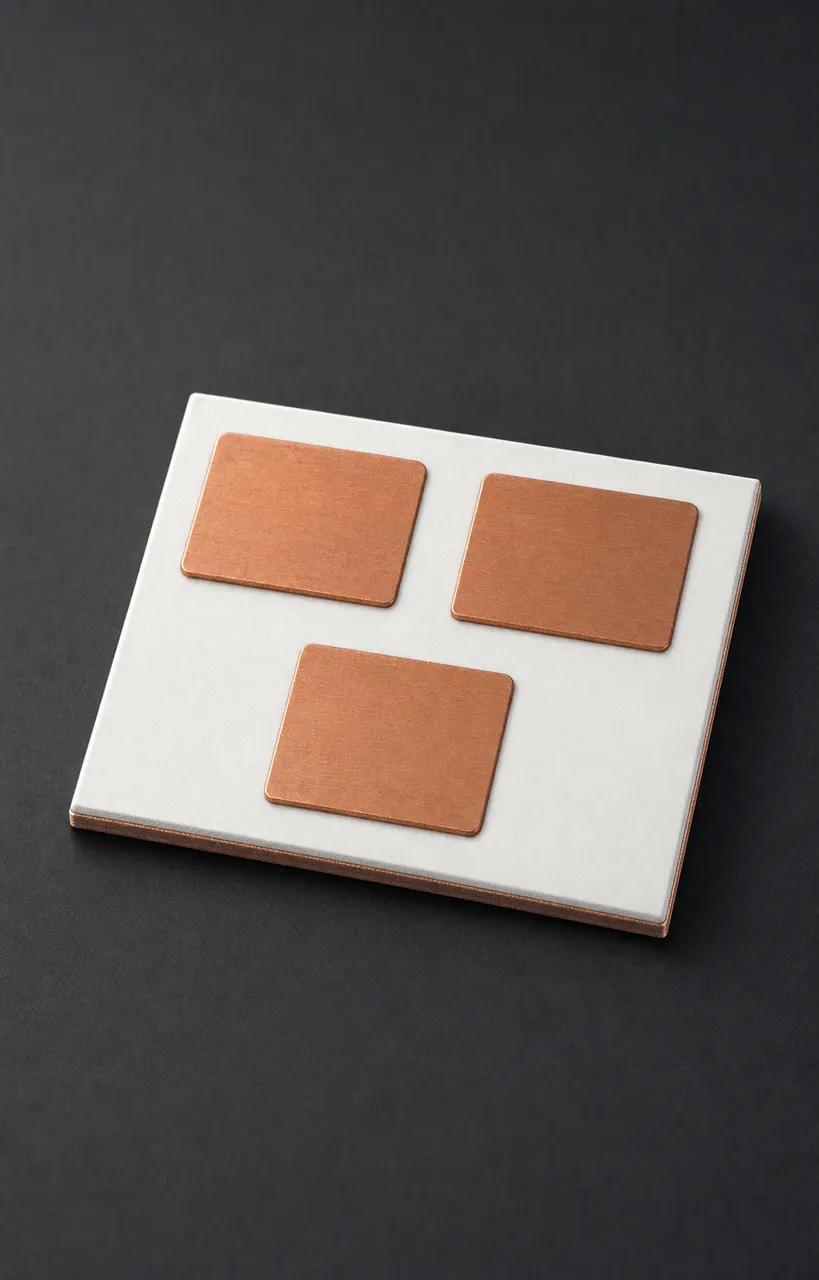
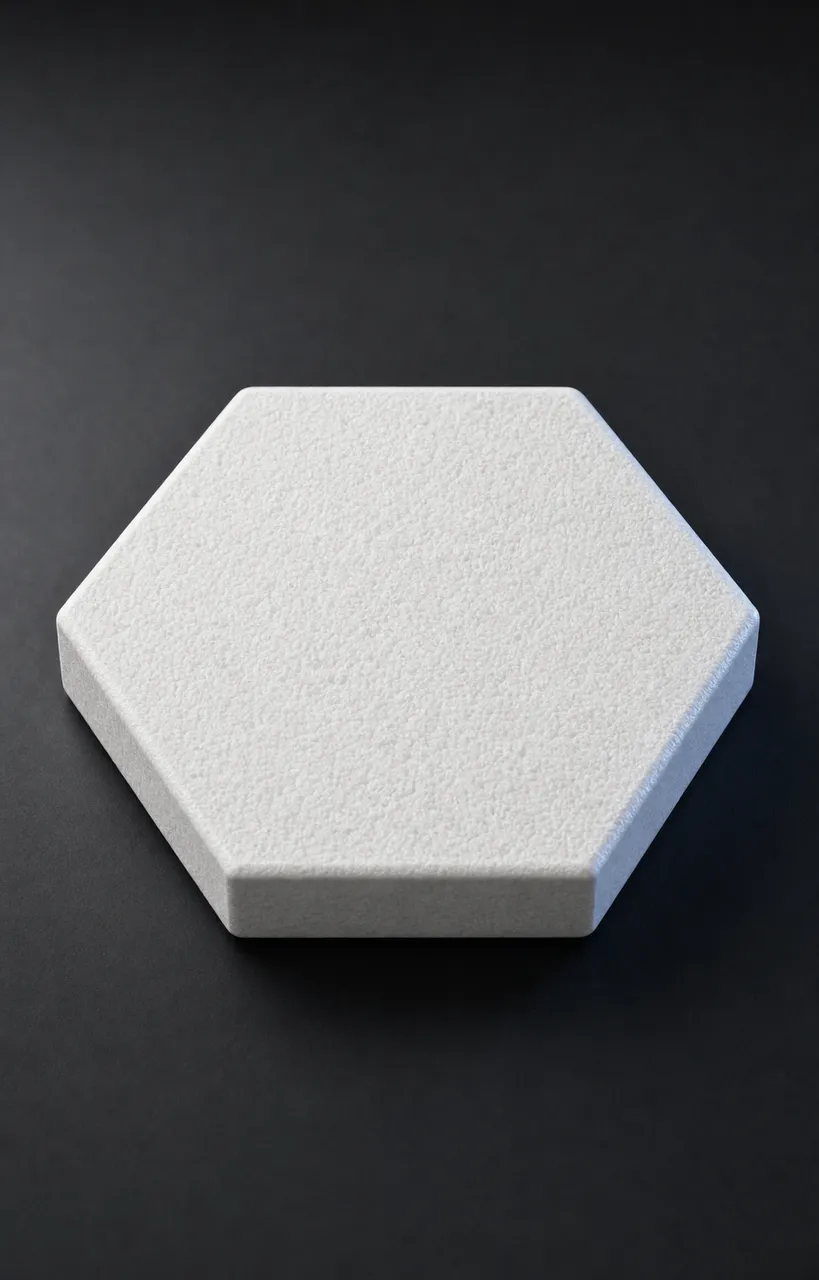
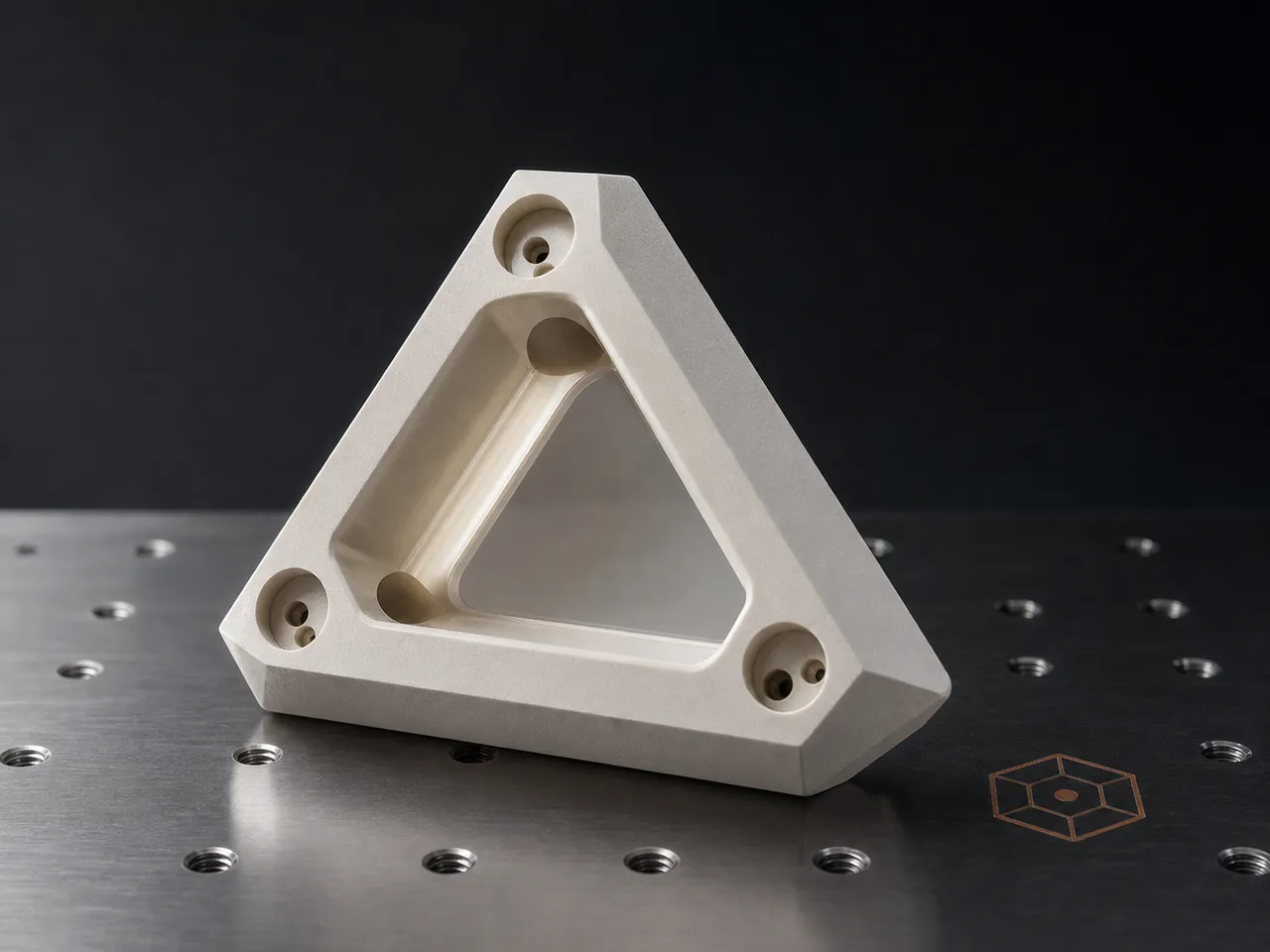
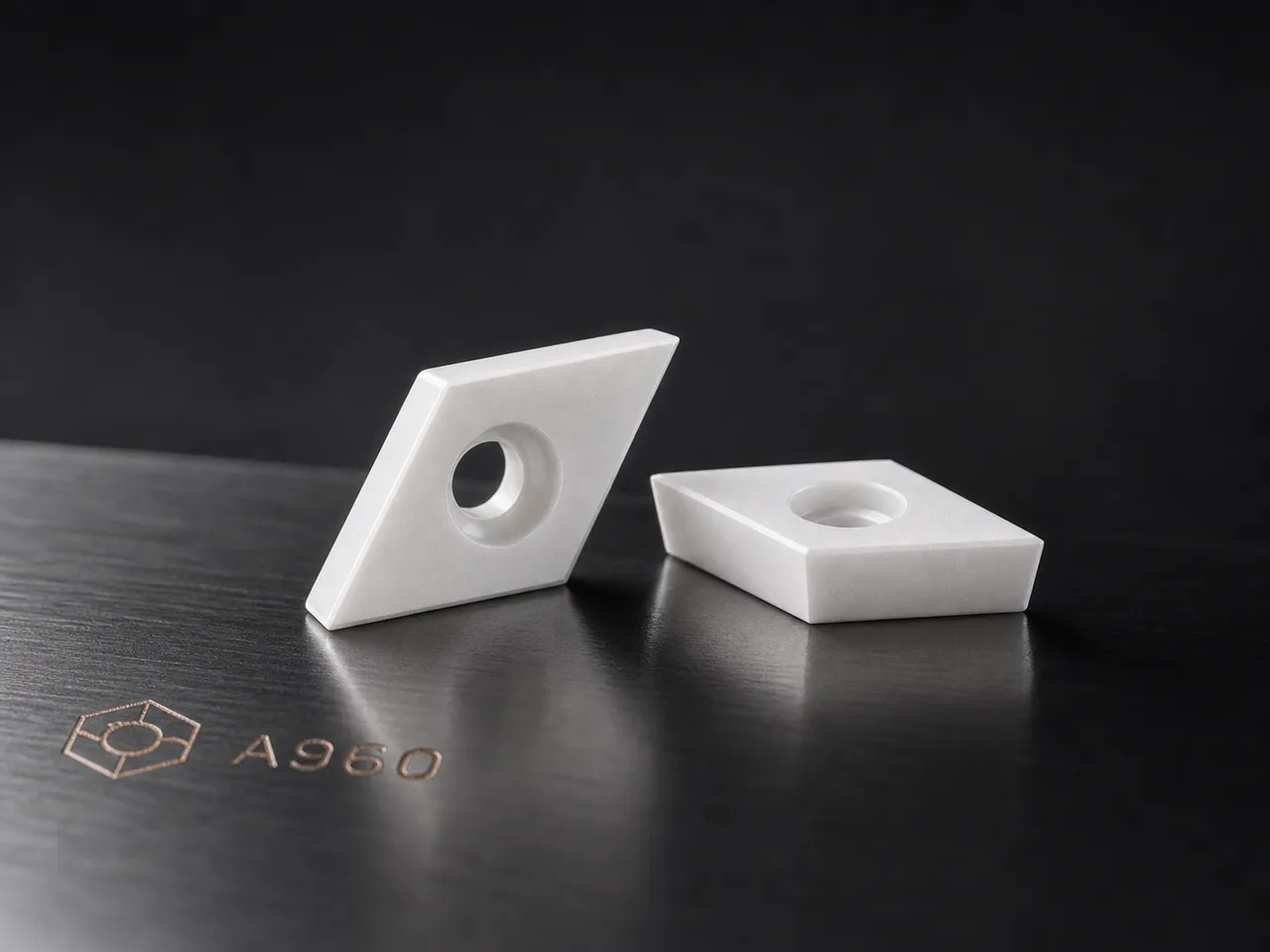
Strocera works the other way. The specification is the input and the formulation is built against it. That is the same method across all six sectors, applied to three platforms: sub-micron alpha alumina powder at 99.5% purity, glass-ceramic with expansion adjustable across 100 to 800 °C, and Apollo-traceable lunar regolith simulant at phase match 99.2 % (Mare) and 96.4 % (Highland).
Strocera supplies powder, ready-to-fire powder blend and bulk simulant. Not finished parts. You form, sinter and qualify in your own facility, which keeps the geometry, the process route and the qualification record inside your programme. Every batch ships with a characterization report referenced to the specification it was built against.
Each sector page starts from the requirement, states which platform applies and why, and lists the applications in production or validation. Specifications, standards and characterization methods sit on the product pages.
If your problem isn't listed here, it's probably still ours to solve. Tell us the operating conditions.
Discuss your specification